
The Industrial Sector: A Driving Force for Vietnam’s Economic Growth
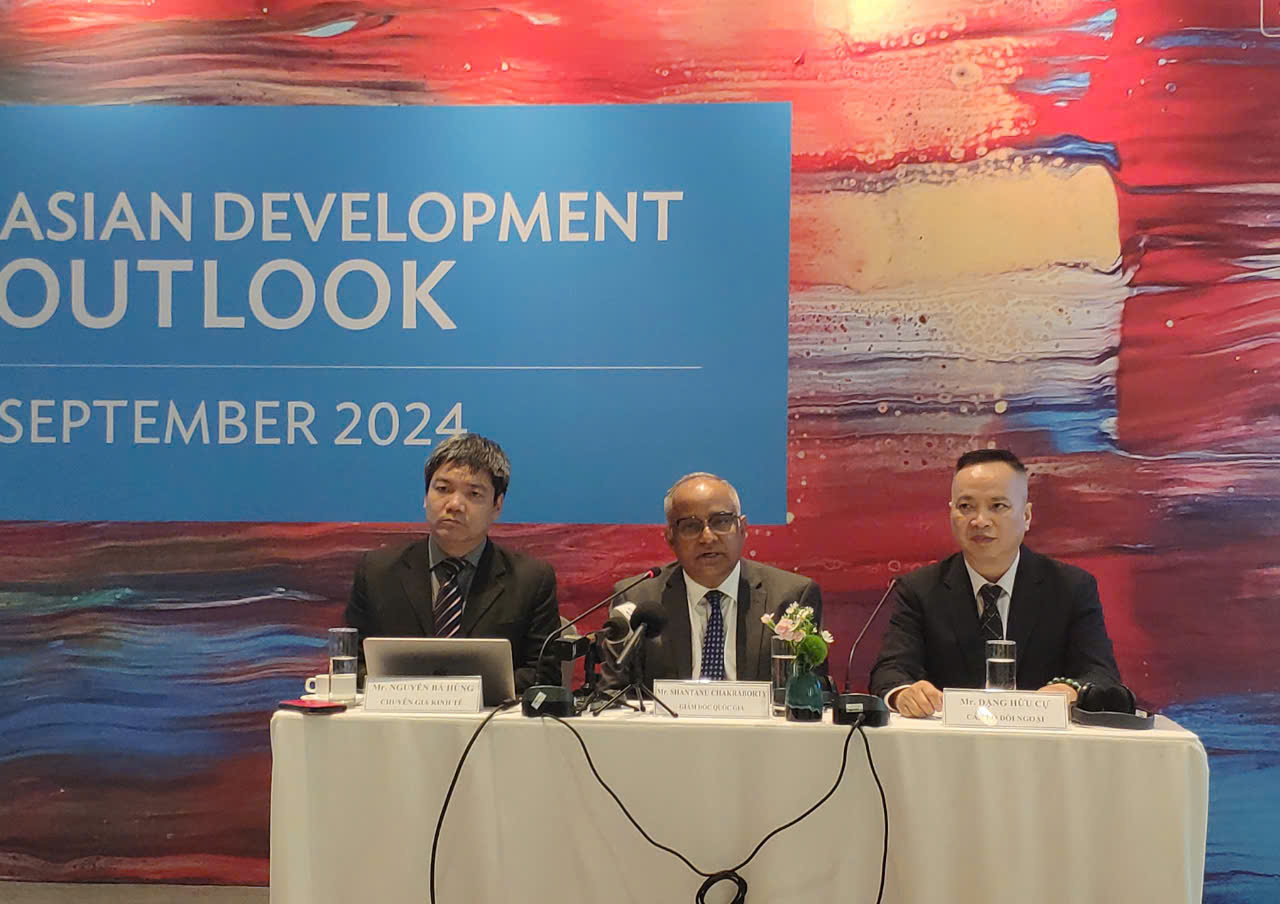
The industrial sector in Vietnam continues to serve as a vital engine for economic advancement, particularly in electronics production. Recent insights from the Asian Development Outlook (ADO) predict a steady GDP growth of 6% for 2024 and 6.2% for the subsequent year, indicating a robust economic outlook.
Strong Recovery in Economic Indicators
Vietnam’s economy demonstrated impressive recovery in the first half of 2024, recording a growth rate of 6.4%, nearly double the 3.7% achieved during the same period the previous year. Shantanu Chakraborty, ADB Country Director for Vietnam, emphasized that this upward trajectory has been propelled by an uptick in industrial production coupled with a significant rebound in trade.
External Demand Fuels Industrial Growth
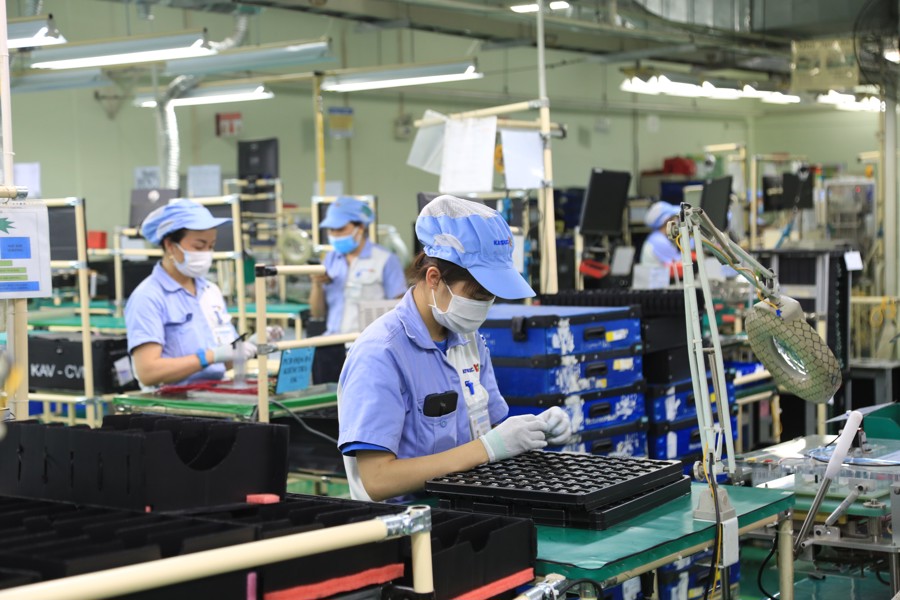
Drivers such as external demand for major electronic goods have played an instrumental role in boosting industrial production. Despite the challenges posed by sluggish domestic demand and global economic uncertainties, the industrial sector has shown resilience, supported by gains in manufacturing. The industrial and construction sectors specifically experienced a striking growth of 7.5%, a steep rise from just 1.1% recorded in the same timeframe last year.
Manufacturing output soared by 8.7%, with significant contributions from the rubber, electronics, and computer industries. This reflects not just a recovery but also a transformative phase within Vietnam’s economic landscape, positioning the nation as a hub for electronic manufacturing.
Trade Dynamics
Trade has emerged as a key pillar supporting Vietnam’s economic growth. In the first half of the year, exports surged by 14.5%, while imports experienced a 17% increase year-on-year. This influx of trade not only stimulates production but also paves the way for further investment in various sectors, including the burgeoning service industry, which is witnessing a revival thanks to the recovery of tourism.
The Investment Landscape
Foreign Direct Investment (FDI) in Vietnam has also been on an upward trajectory, with registered capital reaching $15.2 billion in the first half of the year. The disbursed FDI rose to $10.8 billion, marking the highest level in five years. This influx of foreign capital reaffirms investor confidence in Vietnam’s economic potential and commitment to growth.
Challenges Ahead
While the economic outlook seems promising, it’s tempered by several downside risks that could hinder growth momentum. The global demand from major economies remains uncertain, exacerbated by geopolitical tensions and upcoming elections in the U.S. These factors could lead to challenges such as trade fragmentation, which might adversely impact Vietnam’s exports, manufacturing activity, and employment.
Moreover, domestic demand appears to be on a slow burn. For instance, retail sales grew only 8.5% in the first eight months of the year, a decline from the 10.3% recorded during the same period in 2023. To stimulate this crucial aspect of the economy, stronger fiscal measures are needed.
Policy Measures for Recovery
Economists suggest that enhancing domestic demand demands a strategic approach encompassing increased public investments and maintaining low-interest rates. Coordinated policy measures are essential to navigate the complexities of recovery while maintaining price stability.
Despite the constraints on monetary policy, Vietnam’s efforts aim to balance growth and price stability. Heightened risks, such as potential non-performing loans tied to regulatory relaxations on loan extensions, could affect the efficacy of further monetary easing. Hence, any additional looseness should be judiciously executed alongside fiscal policy expansion and ongoing institutional reforms.
Updated Growth Projections
Reflecting on the strong economic performance in the second quarter and the first half of the year, the Vietnamese government has revised its GDP growth projections to aim for 7% this year, surpassing the National Assembly’s initial target of 6-6.5%. Reputable financial institutions, including the IMF, ADB, World Bank, and Standard Chartered, currently underscore Vietnam’s growth at around 6% for this year, highlighting robust expectations for this emerging economy.
Through its resilience and adaptability amidst global uncertainties, Vietnam is not only on a growth trajectory but is also carving out a significant position in the global industrial landscape, particularly in the electronics sector.