
This was the message conveyed by Esteban Lazo Hernández, President of the National Assembly and the Council of State of Cuba, during a meeting with Ho Chi Minh City businesses on October 3.
During a recent meeting with over 40 representatives from various enterprises in Ho Chi Minh City, Esteban Lazo Hernández delivered a hopeful message about strengthening economic ties between Cuba and Vietnam. As the President of the National Assembly and the Council of State of Cuba, he expressed a strong desire for greater Vietnamese investment in the Mariel Special Economic Zone, a major hub for economic activity in Cuba.
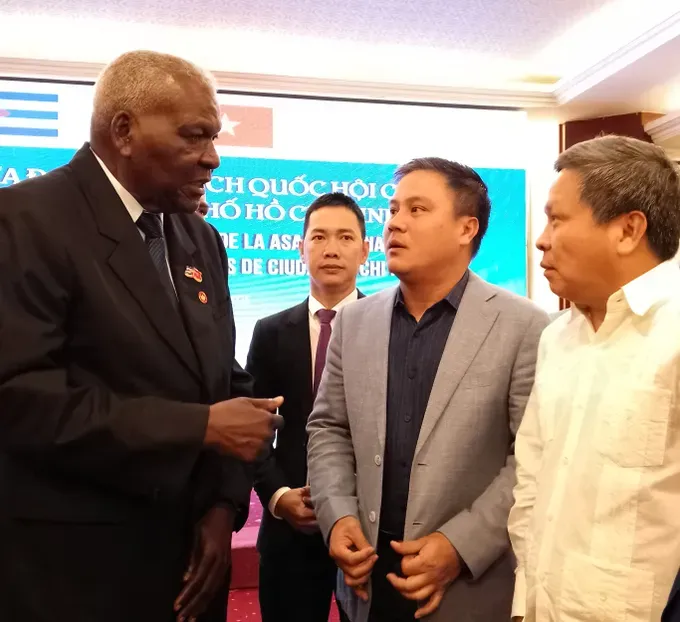
Lazo Hernández spoke proudly of the special friendship that exists between Cuba and Vietnam, indicating that this relationship provides a unique opportunity for Vietnamese businesses to thrive in Cuba. He underscored that the Cuban government is eager to facilitate and prioritize Vietnamese investments across various sectors, particularly in agriculture.
In the agricultural domain, the Cuban President indicated a strong readiness to allocate additional land for Vietnamese projects, transcending rice cultivation to include industrial crops and animal feed production. This expansion is designed to enhance food security in Cuba while simultaneously meeting the demands of Vietnamese investors.
Sectors expected to attract substantial Vietnamese investments encompass fertilizing manufacturing, animal feed production, and pig farming. Each of these areas presents promising opportunities for collaboration, aimed at boosting Cuba’s agricultural output and fostering economic growth.
Moreover, Cuba is seeking investment in diverse sectors beyond agriculture, including energy, healthcare, science and technology, biotechnology, and transportation. This broad range of opportunities reflects Cuba’s ambition to modernize its economy and enhance its development trajectory.
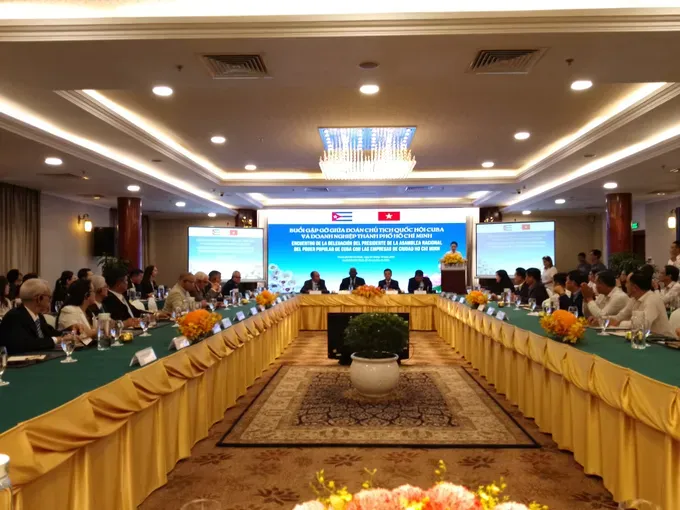
On behalf of the Ho Chi Minh City government, Vice Chairman Nguyen Van Dung voiced hope for ongoing support from Cuba, emphasizing the need for favorable conditions for Vietnamese enterprises. He called on Cuban authorities to facilitate opportunities that would allow Ho Chi Minh City businesses to flourish within Cuba’s economic framework.
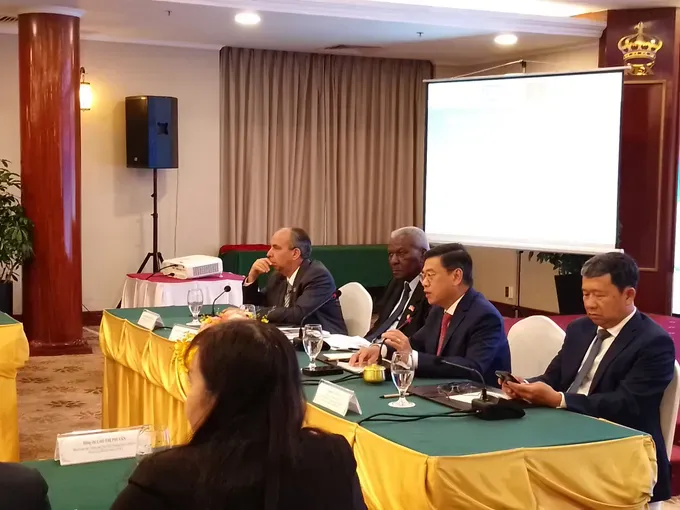
He recommended that the Ho Chi Minh City Trade and Investment Promotion Center collaborate closely with the Cuban Consulate to organize initiatives aimed at sharing vital information. This partnership would help to introduce Cuba’s investment policies, further bridging the gap between Vietnamese businesses and potential opportunities in Cuba.
Expressing optimism about the prospects of investment cooperation, Vice Chairman Dung noted that these sessions could unlock new avenues for Vietnamese enterprises in Cuba, propelling bilateral economic relations to new heights.
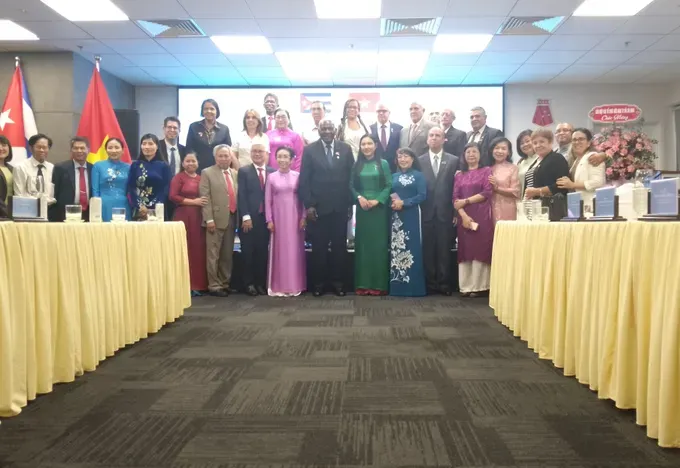
Later that day, Lazo Hernández met with members of the Ho Chi Minh City Vietnam-Cuba Friendship Association. In these discussions, he listened to insights from Nguyen Van Loi, Head of the Ho Chi Minh City National Assembly Deputies’ Delegation, and Truong Thi Hien, President of the Friendship Association, emphasizing the importance of cultural and educational exchanges alongside economic collaboration.
Earlier in the day, Lazo Hernández also engaged with students at the Ho Chi Minh City University of Technology and Education. This interaction aimed to foster a deeper understanding and appreciation of educational ties between Vietnam and Cuba, showcasing the potential for a future generation of leaders committed to furthering the two nations’ shared goals.
On the afternoon of October 3, President Esteban Lazo Hernández and his delegation departed Ho Chi Minh City, concluding a significant visit that has paved the way for future collaboration between Vietnam and Cuba.
By Minh Chau- Translated by Huyen Huong