The Impact of Trump’s Tariffs on Vietnam

Michael Kokalari, chief economist, VinaCapital
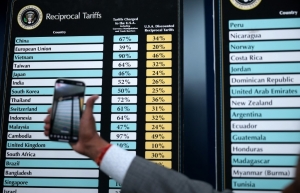
In the rapidly shifting landscape of global trade, Vietnam finds itself at a crossroads following the announcement of new tariffs imposed by the Trump administration. These tariffs, set at an unprecedented 46%, have drawn significant attention and concern regarding their potential impact on Vietnam’s economy and its ambitious GDP growth targets.
Tariff Implications
According to experts, including VinaCapital’s chief economist Michael Kokalari, these tariffs may hinder Vietnam’s goal of achieving an 8% GDP growth. Initially anticipated to be around 10%, market analysts had hoped for even lower rates due to the inherent contradictions this strategy poses for U.S. interests. A substantial increase in tariffs is expected to exacerbate inflation, posing challenges for Republican policymakers as they approach mid-term elections.
The 46% tariff was derived from a Council of Economic Advisors (CEA) assessment, claiming Vietnam charges upwards of 90% tariffs on U.S. imports. This figure was adjusted to arrive at the final “reciprocal tariff” rate, which takes into account various economic factors, including the price elasticity of U.S. imports and tariff pass-through effects. However, the USTR’s report contradicted these claims, stating that most U.S. exports to Vietnam are subjected to tariffs of 15% or less. The complexity of tariff structures between the two nations further complicates the discussion.
Strategic Responses
Former President Trump’s assertion that Vietnam applies exorbitant tariffs on U.S. goods primarily hinges on a simplistic calculation derived from trade deficits. By dividing the U.S. trade deficit with Vietnam, pegged at $123 billion, by its total imports from the country, the Trump administration purportedly justified its imposition of high tariffs.
Given this backdrop, it is crucial for Vietnam to reassess its trade strategies. The urgency to increase imports from the U.S. cannot be understated. Initial reports suggest that U.S. officials have noticed Vietnam’s efforts to balance the trade deficit, yet mere promises of future purchases will not suffice. Immediate actions are required to stabilize the economic relationship.
Energy Imports as a Solution
One area where Vietnam can pivot swiftly is in energy imports. With existing infrastructure challenges, utilizing floating storage regasification units could enable Vietnam to import around $35 billion annually in liquefied natural gas (LNG). This strategic shift could help mitigate the impact of tariffs while satisfying U.S. demands for increased transactions.
The Negotiation Landscape
Trade negotiation experts perceive the initial tariff announcement as a starting point for dialogue rather than a final decision. Intense discussions between Vietnamese and U.S. trade officials are anticipated, yet there is no consensus on what the final tariff rate may be. It is plausible to expect a compromise figure, likely above 25%, which would still significantly dampen Vietnam’s GDP growth prospects.
Market Reactions
The market response to the tariff announcement was abrupt. The VN-Index plummeted nearly 7%, reflecting widespread concern among investors. The downturn was uniform across various sectors, indicating a collective uncertainty regarding the broader economic implications. Interestingly, the impact on the USD-VND exchange rate was minimal at less than a 1% depreciation, contrary to historical trends where currencies of tariff-targeted countries generally experience a sharper decline.
Investment Strategies Moving Forward
Amidst the turmoil, active fund managers see opportunities to capitalize on temporarily undervalued stocks amidst the market sell-off. Companies that maintain sound fundamentals and are less vulnerable to tariff impacts may become appealing investment options. The Vietnamese government’s ambitious infrastructure spending plan may also offer avenues for companies that align with the state’s fiscal strategy in response to these tariffs.
As Vietnam navigates its relationship with the U.S. and other significant trading partners, the potential effects of these tariffs could instigate broader economic shifts. Key figures like Deputy Prime Minister Ho Duc Phoc are leading initiatives to fortify trade and explore opportunities for collaboration.
Closing Thoughts
The implications of the new tariffs loom large over Vietnam’s economic future. As the situation evolves and further clarifications emerge, ongoing evaluations of investment landscapes and trade practices will be essential for adapting to this challenging environment. The next few weeks will prove pivotal in understanding how Vietnam positions itself to mitigate the consequences of these tariffs while seizing new opportunities for growth.

Read more about market reactions
Discover more on US business groups’ responses