
Processing Shrimp for Export in Southern Vietnam
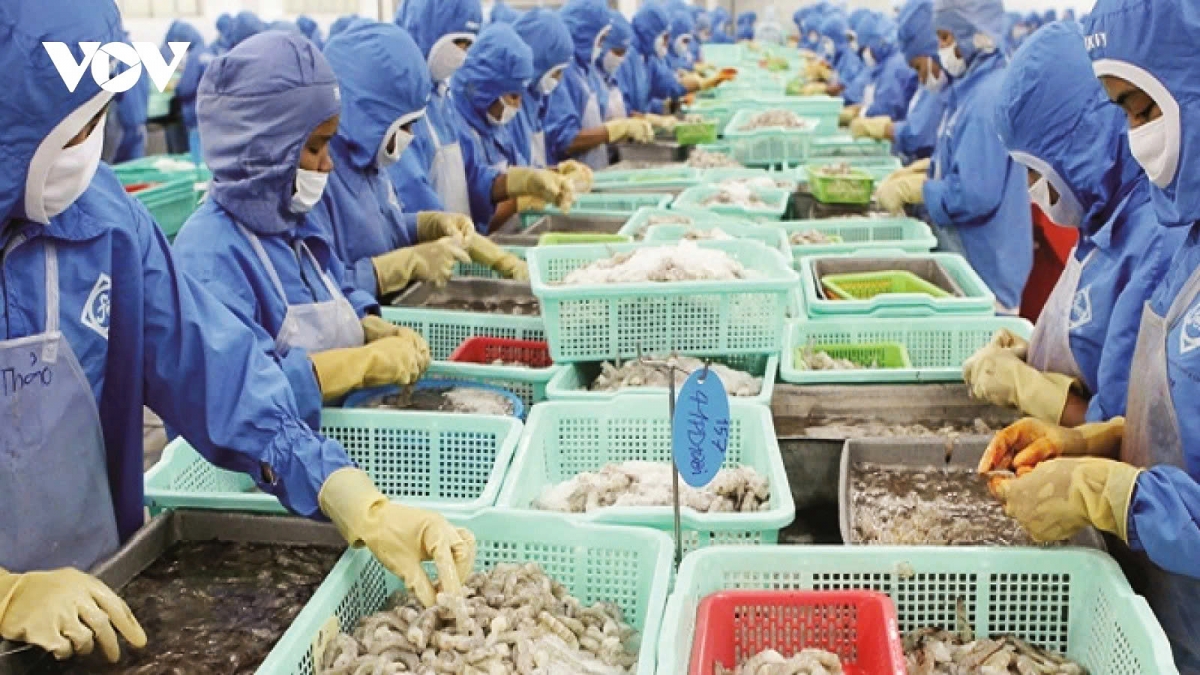
In the bustling factories of Southern Vietnam, a pivotal process is taking place: the processing of shrimp for export. As one of the world’s leading exporters of seafood, Vietnam stands at the intersection of global demand and local expertise. The combination of technological advancements in processing and a committed workforce positions Vietnam as a significant player in the seafood market.
The Economic Landscape
Vietnam’s economy is on a robust growth trajectory, with leading institutions like the World Bank (WB), Asian Development Bank (ADB), and Singapore’s United Overseas Bank (UOB) issuing optimistic forecasts. The WB projects a GDP growth of 6.6% in 2025, driven by a strong performance in the first half of the year, particularly in manufacturing and exports, including seafood.
With exports contributing significantly to GDP, the shrimp processing sector plays a crucial role. The government has invested in improving infrastructure and public services to enhance production efficiency and maintain quality standards.
Public Investment and Structural Reforms
To sustain this growth and meet rising global standards, experts recommend leveraging Vietnam’s fiscal space. Mariam J. Sherman, WB Director for Vietnam, Cambodia, and Laos, emphasizes that effective public investments could ease infrastructure bottlenecks, create jobs, and support green development initiatives.
The ADB has also pointed out the importance of infrastructure, governance, and reform momentum as essential components for successful economic growth. This is particularly relevant in the context of emerging industries, including advanced technology sectors that require a skilled workforce.
Climate Vulnerability and Renewable Energy
Despite the positive outlook, Vietnam faces significant challenges, particularly concerning climate vulnerability. The ADB identified Vietnam as one of the six most climate-vulnerable countries, particularly in the Mekong Delta region, where shrimp farming is prevalent. Thus, investments in renewable energy and sustainable practices in aquaculture are essential to mitigate environmental impacts and ensure long-term viability.
Shantanu Chakraborty, ADB Country Director, has highlighted the need for substantial investments in renewable energy technology, grid transmission, and energy storage systems. These investments are critical to support both the shrimp processing industry and overall economic resilience.
Adapting to Market Changes
As the global economy continues to experience fluctuations, Vietnam’s economy remains sensitive to changes in international trade policies. The UOB reported that Vietnam’s GDP expanded 7.85% in the first three quarters of 2025 but warned that rising trade tensions could impact the fourth quarter. Even though Vietnam has shown resilience in overcoming challenges, it must adapt quickly to avoid negative repercussions from global tariff changes.
With 83% of GDP coming from exports and services, the country’s high level of economic openness warrants careful monitoring of international trade dynamics, particularly with major economies like the United States.
Skills Enhancement for Future Growth
The rise of technology sectors, such as artificial intelligence and digital innovation, necessitates a highly skilled workforce. The Vietnamese government has launched various skills enhancement programs aimed at aligning worker capabilities with market demands. This focus on human capital will be increasingly vital as industries evolve and the need for a knowledgeable workforce intensifies.
Incorporating soft infrastructure improvements—such as enhanced education and healthcare systems—will form the foundation for sustainable growth.
Continuous Manufacturing Growth
Recent data signals that Vietnam’s manufacturing sector remains robust, with the Manufacturing Purchasing Managers’ Index (PMI) reaching 53.8 points in November, indicating sustained recovery. As businesses adapt and grow more resilient, the shrimp processing industry will likely reflect these positive trends, continually contributing to national economic growth.
Vietnam’s journey in the shrimp processing industry is intricately linked with broader economic factors, and it continues to hold promise amid challenges. The proactive measures in infrastructure investment, governance, and workforce development will be crucial as the country navigates these turbulent waters.