
Vietnam’s Economic Outlook: A Promising Future for 2026
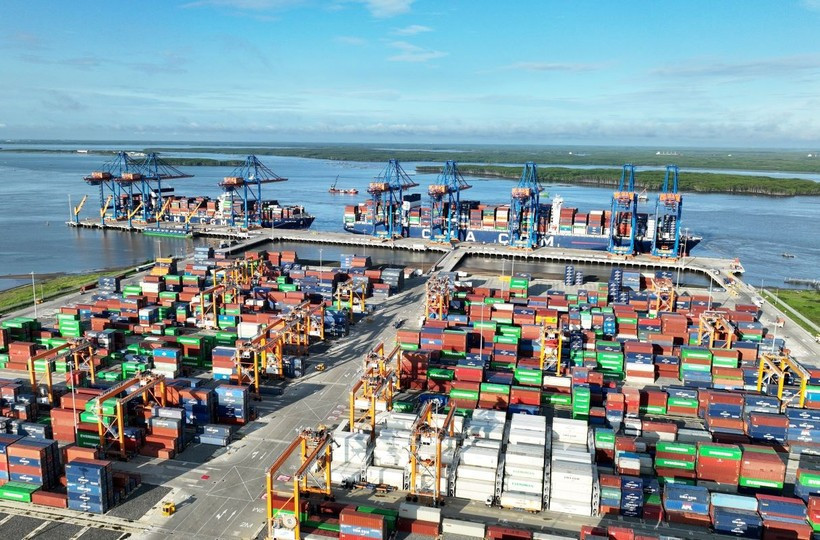
Hanoi is gearing up for an ambitious economic journey as it enters 2026. International organizations and media outlets have heralded Vietnam as one of the fastest-growing economies in the Asia-Pacific region. With a robust foundation of macroeconomic stability and significant domestic potential, the country is poised to achieve sustained growth.
Sustaining High Growth: Setting New Targets
Vietnam’s government aims for a bold GDP growth target of around 10% in 2026. Prime Minister Pham Minh Chinh emphasized this goal during the 10th session of the 15th National Assembly, talking about the country’s resilience and capacity to absorb external shocks. Despite challenges posed by global conditions, Vietnam has maintained its reputation as one of the world’s leading economies.
International media are quick to report this ambition. For instance, Reuters highlighted the government’s focus on achieving at least 10% growth in 2026, following an impressive 8% anticipated for 2025. Thailand’s The Nation echoed this sentiment, underlining Vietnam’s plans to expand its free trade agreements and attract foreign investment, particularly in high-tech industries.
Confidence from Global Institutions
Recent assessments from leading global institutions reflect confidence in Vietnam’s economic trajectory. The Organisation for Economic Co-operation and Development (OECD) noted that Vietnam demonstrated a robust economic performance over the past year, characterized by strong year-end consumption, stable investments, and rising labor demand. They project a continued strong momentum into 2026 and beyond, attributed to Vietnam’s stable macroeconomic environment and agile economic policymaking.
Moreover, the World Bank Group reasserted its outlook for Vietnam, highlighting the nation as a rapidly growing market within East Asia and the Pacific. Similarly, the Asian Development Bank (ADB) projected sustained resilience throughout 2025 and 2026, buoyed by export growth, foreign direct investment (FDI), and effective public investment strategies.
Domestic Drivers and Supply Chain Strength
A key theme emerging from international analyses is the vital role of domestic strengths in driving Vietnam’s sustainable growth. Foreign direct investment is thriving in technological and large-scale manufacturing sectors, which, in turn, generates jobs and enhances exports.
One of the noteworthy factors contributing to this growth is the rising domestic consumption propelled by an expanding middle class. This demographic trend not only strengthens Vietnam’s economic foundation but also makes it an enticing destination for strategic international investors.
The rapid development of Vietnam’s artificial intelligence (AI) market has also garnered international attention. With projections estimating the AI market to reach nearly $2.81 billion by 2033, driven by robust digitalization and e-commerce growth, the outlook is bullish. Supportive government policies, along with the application of AI in healthcare and smart city initiatives, represent additional avenues for growth.
Strategic Investment and Sectoral Focus
Vietnam is entering a pivotal phase characterized by a concentration on key sectors such as industrial manufacturing, financial services, energy, and technology. According to KPMG’s report, “Vietnam 2026 Outlook: A Defining Moment for Growth,” these sectors are expected to significantly elevate the country’s attractiveness to global investors and facilitate sustainable economic development.
By fostering a favorable environment for innovation and investment, Vietnam is not only setting ambitious growth targets but also laying the groundwork for long-term prosperity. This strategic focus aligns with global trends and positions Vietnam well in the competitive landscape of emerging markets.
Conclusion
Vietnam’s economic future is bright, driven by a combination of robust domestic consumption, strategic investments, and effective policymaking. As the nation navigates its path towards 2026, the confluence of these factors is expected to solidify its position as an economic powerhouse in the Asia-Pacific region, captivating the attention of global investors and stakeholders alike.