
Vietnam’s Energy Evolution: A Strategic Framework for the Future
By VNA
Fri, September 5, 2025 | 4:23 pm GMT+7
In a significant step towards ensuring national energy security, Party chief To Lam has signed Resolution 70. This strategic framework aims to secure Vietnam’s energy needs through 2030, with an ambitious vision extending to 2045. This marks a continuation of the path laid by Resolution 55, enacted on February 11, 2020, which also focused on Vietnam’s energy strategy.
Building on a Strong Foundation
Over the past five years, Vietnam’s energy sector has exhibited stable growth, effectively supporting its burgeoning economy, enhancing national security, and improving living standards. Nevertheless, the transition is not without its challenges; some of the shortcomings highlighted in Resolution 55 persist. The new resolution aims to address these weaknesses while laying out an ambitious roadmap for the country’s energy future.
A Linchpin for Dual Strategic Goals
The Politburo has emphasized that energy security is crucial for Vietnam’s dual strategic goals for 2030 and 2045. The resolution mandates that energy supply must eclipse demand— a necessity for sustainable economic growth and national defence. It highlights the urgency of producing a quality energy supply that can keep pace with Vietnam’s evolving economic landscape.
Leadership and Investment Dynamics
At the heart of this resolution are clear directives on leadership and investment. The Communist Party will maintain overarching control, while the State is tasked with instituting revolutionary policies and managing strategic energy infrastructure. The resolution posits citizens and businesses as central to the energy narrative, with state-owned enterprises taking the lead and private investments deemed critical for future projects.
Socially Inclusive Energy Development
The approach to energy development will conform to the ethos of Vietnam’s socialist-oriented market economy, ensuring that social equity and welfare remain in focus. Environmental protection isn’t forgotten, as the Government aims to enhance energy markets that are competitive and transparent. This involves encouraging private entities to engage in energy projects, operating on a level playing field alongside state enterprises.
Renewables Take Center Stage
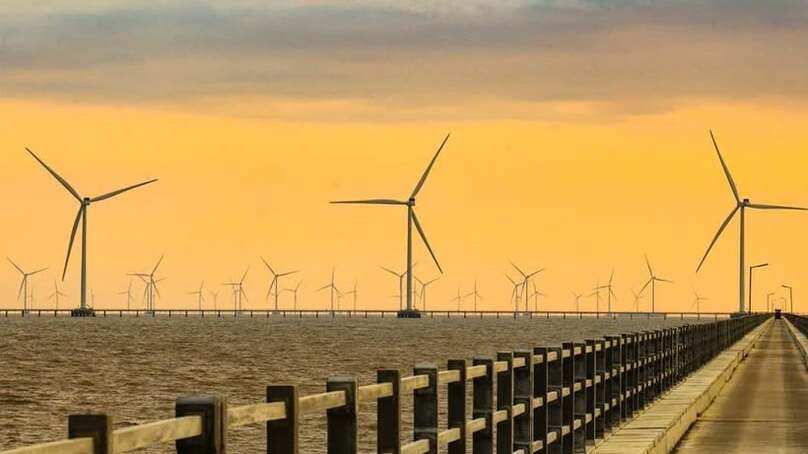
Prioritizing a balanced and diversified energy portfolio, the resolution foregrounds renewable energy sources. By rationalizing the use of domestic fossil fuels and fortifying national reserves, Vietnam is preparing to develop nuclear and gas power systems while gradually phasing out coal. This strategic shift not only leverages regional strengths but also seeks to optimize the energy mix for system efficiency.
Emphasis on Energy Efficiency and Eco-Friendly Technologies
Investment in energy efficiency, emissions reduction, and the adoption of environmentally friendly technologies is a primary focus. The commitment to conservation is reshaped as a societal right and obligation, with both businesses and households encouraged to modernize their energy equipment. This initiative is aligned with global sustainability trends, emphasizing the importance of long-term ecological impact.
Driving Growth Through Innovation
Technological advancements and digital transformation are earmarked as critical drivers for sustainable growth in the energy sector. Vietnam’s goal of mastering advanced technologies—including nuclear energy—reflects its ambition to produce most energy equipment domestically for both local use and export.
Future Projections for Energy Security
By 2030, the resolution sets a clear target for robust energy security: to ensure a sufficient, stable, and quality energy supply with lower emissions. Anticipated is balanced growth across sub-industries alongside smart infrastructure that meets advanced ASEAN standards.
Delegating Key Tasks
To operationalize this vision, the Politburo has detailed seven key tasks to be delegated among various governmental bodies and party committees. This collaborative approach emphasizes the shared responsibility towards achieving Vietnam’s ambitious energy goals.
In conclusion, as Vietnam embarks on this strategic journey, the energy sector stands at a pivotal crossroads, where opportunities and challenges will shape the nation’s future. With a focus on sustainability, inclusivity, and innovation, Vietnam is poised to transform its energy landscape for generations to come.