

|
| Experts have highlighted the positive signals in Vietnam’s M&A arena amid general global struggles, photo Le Toan |
Vietnam is increasingly standing out in the global M&A landscape, showcasing resilience and positive growth potential even as many markets falter. Recent figures from KPMG Vietnam reveal that between January and November of this year, the country experienced approximately 220 M&A transactions amounting to a total value of $2.3 billion. While the average deal size decreased from last year’s peak of $50.7 million to $29.4 million, this shift reflects a growing trend among investors, who are now prioritizing strategic and sustainable assets over sheer scale.
The real estate sector has emerged as a key player with 27% of the M&A capital invested, a trend fueled by improved market liquidity. Additionally, sectors such as materials, which benefit from supply-chain relocations, and healthcare, driven by the rising demand from an expanding middle class, have also attracted significant interest. “These three sectors account for over half of the total M&A value, indicating a clear shift in focus towards intrinsic value and sustainable growth,” said Dinh The Anh, head of Corporate Finance at KPMG Vietnam. This pragmatic approach signals investors shifting towards prudent risk assessments, especially in segments grappling with tighter margins.
Several high-profile transactions have contributed to this year’s robust deal value, with over $1 billion attributed to large-scale acquisitions. Notable cases include Birch’s $365 million acquisition of Phuong Dong Real Estate and AEON’s $162 million acquisition of Post and Telecommunications Finance Company. These transactions reflect the confidence that investors continue to place in the strategic value of Vietnamese assets.
At the recent Vietnam M&A Forum held in Ho Chi Minh City, Douglas Jackson of Alvarez & Marsal addressed the anticipated upgrade of Vietnam’s stock market in 2026. Jackson stated, “This upgrade is expected to attract billions in US portfolio capital, enhancing exit options for investors.” Policymakers are also actively promoting investments in high-tech, green, and digital sectors, such as the burgeoning semiconductor strategy, along with plans for power and grid investments aimed at alleviating energy bottlenecks.
The attractiveness of Vietnam as a strategic investment destination is also reflected in its capital flows. In the first eleven months of 2025, the country attracted nearly $33.7 billion in foreign direct investment (FDI), marking a 7.4% year-on-year increase. This growth is particularly interesting considering a dip in newly registered capital, as it signals robust adjustments in both existing investments and capital contributions, showing foreign investors’ continued confidence in the Vietnamese market.
Seck Yee Chung, a partner at Baker McKenzie, emphasized the transformative potential of Vietnam amid geopolitical shifts and global supply chain diversifications. He noted that “a steady stream of foreign investment inflows coupled with active M&A transactions underscores Vietnam’s adaptability in its role as a strategic destination.” Investor sentiment is further buoyed by proactive government measures aimed at improving the business environment through regulatory reforms aligned with global sustainability trends.
The government’s initiatives to modernize investment frameworks and enhance transparency are significantly improving confidence among foreign investors. As the global economic landscape recalibrates, these reforms are crucial. Vietnam’s political stability, competitive labor costs, and an expanding network of trade agreements make it a compelling hub for M&A activity across manufacturing and technology sectors.
Chung also highlighted the need for Vietnam to sharpen its competitive edge to attract high-quality cross-border M&A opportunities. This includes continued efforts in streamlining administrative procedures, improving transparency in approvals, and investing in human capital. Building integrated townships with affordable housing and social amenities is also essential for attracting skilled workers to sustain growth.
Hugo Virag of Astris Finance noted that Vietnam’s strong macroeconomic fundamentals are crucial for supporting growth and transitioning to renewable energy. To achieve its energy goals, Vietnam will need substantial capital investments, potentially amounting to billions in both the short and long term, particularly for new power plants and extending the grid.
Water scarcity has emerged as a growing concern for many Southeast Asian nations, including Vietnam. Virag cited estimates by international organizations indicating that the water sector requires investment ranging from $20 to $30 billion to enhance clean water access and improve drainage infrastructure by 2030.
Expert Insights:
Douglas Jackson, Managing Director, Alvarez & Marsal Vietnam

|
Vietnam’s upcoming stock market upgrade, effective 2026, promises to significantly increase liquidity and draw substantial inflows into listed equities. This upgrade is critical for establishing reliable valuation benchmarks, creating viable exit paths, and encouraging corporate governance improvements.
The positive changes in the M&A landscape are evidenced by the rise in IPO proceeds, driven by well-received market entries that enhance momentum for pre-IPO and control-deal M&A strategies.
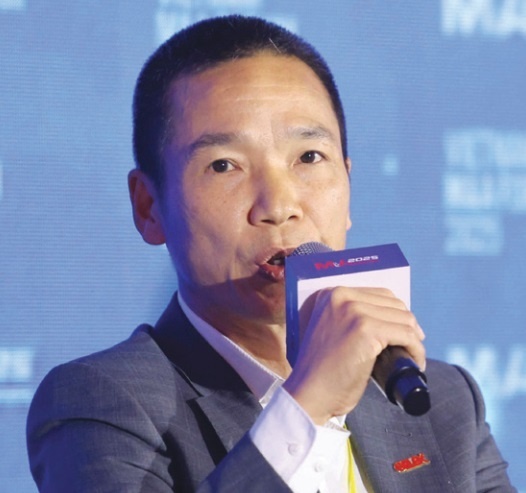
Nguyen Hoang Long, Deputy CEO, GELEX
|
The current M&A landscape is ripe with opportunities as the government accelerates restructuring efforts, promoting efficiency and innovation. GELEX seeks to leverage these conditions through strategic IPOs and acquisitions, planning to launch an IPO of 100 million shares in GELEX Infrastructure soon.
Khanh Nguyen, General Director, Gamuda Land Vietnam

|
Real estate has consistently ranked among the top sectors for investment in Vietnam. With housing demand skyrocketing, the sector remains attractive for both local and foreign investors. Gamuda Land has invested approximately $1 billion to expand its land bank, emphasizing the positive performance of real estate over the past few years.
Hugo Virag, Managing Director and Co-head of Southeast Asia, Astris Finance

|
Astris Finance emphasizes the urgency for Vietnam to accelerate its investment in renewable energy and other infrastructure projects to keep pace with development. There’s a noted shift in interest from international investors, particularly for projects unaffected by tariff cuts.
Khanh Vu, Managing Director, VinaCapital Vietnam Opportunity Fund

|
As we move into 2025, Vietnam is beginning to shake off the uncertainties linked to recent geopolitical turbulence. Enhanced legal and business climates are fostering a renewed sense of optimism in the M&A market, with not just renewed capital inflow but a diversification of investment interests across various sectors.
Seck Yee Chung, Partner, Baker McKenzie

|
The M&A landscape in Vietnam is transforming thanks to comprehensive legal reforms and modernization efforts aimed at improving institutional efficiency. Recent changes are designed to streamline approvals and bolster sectors such as renewable energy, AI, and data centers, enhancing Vietnam’s attractiveness for M&A activity.
Bui Hoang Hai, Vice Chairman, State Securities Commission

|
Efforts to modernize the stock market’s infrastructure and improve overall transparency have positioned Vietnam as one of the most dynamic emerging markets globally. Recent reforms, such as the review of sector-related regulations and the synchronization of governance to global standards, aim at attracting higher quality investments.
Dang Van Thanh, Chairman, TTC Group

|
Business leaders in Vietnam recognize the imperative of developing renewable energy and other sectors through M&A. Government policies are fostering a favorable environment for domestic enterprises to seek funding and expand their operations, positioning Vietnam as an attractive destination for foreign investments.
This interplay between favorable policies, strategic M&A opportunities, and the evolving regulatory landscape underscores the potential for Vietnam to emerge as a powerhouse within the regional marketplace.