
The Rise of Vietnamese Tilapia Exports: A 2025 Overview
Vietnam’s tilapia exports have recently seen a remarkable surge, marking an exciting chapter in the nation’s seafood industry. According to the Vietnam Association of Seafood Exporters and Producers (VASEP), the export value of tilapia more than doubled in 2025, skyrocketing to approximately $81 million—a significant leap from around $40 million in 2024.
U.S. Market Dominance
The United States has solidified its position as the leading importer of Vietnamese tilapia fillets. In 2025, imports were valued at an astounding $40 million, reflecting a staggering 499% increase from the previous year. This surge is attributed to heightened demand in the U.S. market, coinciding with restricted supplies from rival producers, such as domestic U.S. farms and Chinese suppliers facing tariff pressures and rising production costs.
Brazil: A New Frontier
Another noteworthy development is Brazil’s emergence as a rapidly growing market for Vietnamese tilapia. Import values soared to nearly $11 million, a phenomenal increase of 7,552% year-on-year. This growth underscores the immense potential of the South American market for Vietnam’s frozen tilapia fillets, suggesting that this region may play a crucial role in future export strategies.
Stability in Asia
In Asia, markets such as Taiwan and Japan have shown stable import trends for Vietnamese tilapia. Exports to Taiwan surged by 123% to $1.5 million, while shipments to Japan saw a modest increase of 2% to $312,000 compared to 2024. This steady demand highlights Vietnam’s reliability as a tilapia supplier in the Asian continent.
European Growth
Vietnamese tilapia has also gained traction in Europe, particularly in Italy, where import values have risen by 54%, exceeding $601,000. Such growth in European markets indicates a diversification of buyer demographics and the expanding footprint of Vietnamese seafood.
Middle Eastern and Caribbean Opportunities
The tilapia market is not limited to just North and South America and Asia. Notable increases in exports have also been observed in Saudi Arabia and Puerto Rico, showcasing a broader international reach. Despite a slight decrease of 11% in exports to Qatar, the country remains among the top ten importers of Vietnamese tilapia, which illustrates the sustained interest in this versatile fish.
Future Outlook and Strategy
VASEP has expressed optimism in the potential for tilapia fillets to emerge as a significant export product alongside traditional staples like tra fish. The key to sustaining growth lies in diversifying markets, enhancing processing quality, and adhering to safety and sustainability standards.
Nutritional Value: A Global Favorite
Dr. Bui Ngoc Thanh from the U.S. Soybean Export Council emphasized the nutritional benefits of tilapia, which boasts a protein content of around 26 grams per 100 grams of fish. Its nutritional profile, which includes high levels of lysine and methionine, positions tilapia favorably compared to other well-known species such as salmon, cod, and tuna.
Current Production Capacity
Vietnam currently produces about 300,000 metric tons of tilapia annually through various farming systems, catering to both domestic and export demands. This production capacity not only supports the local economy but also responds to growing global appetite for nutritious seafood.
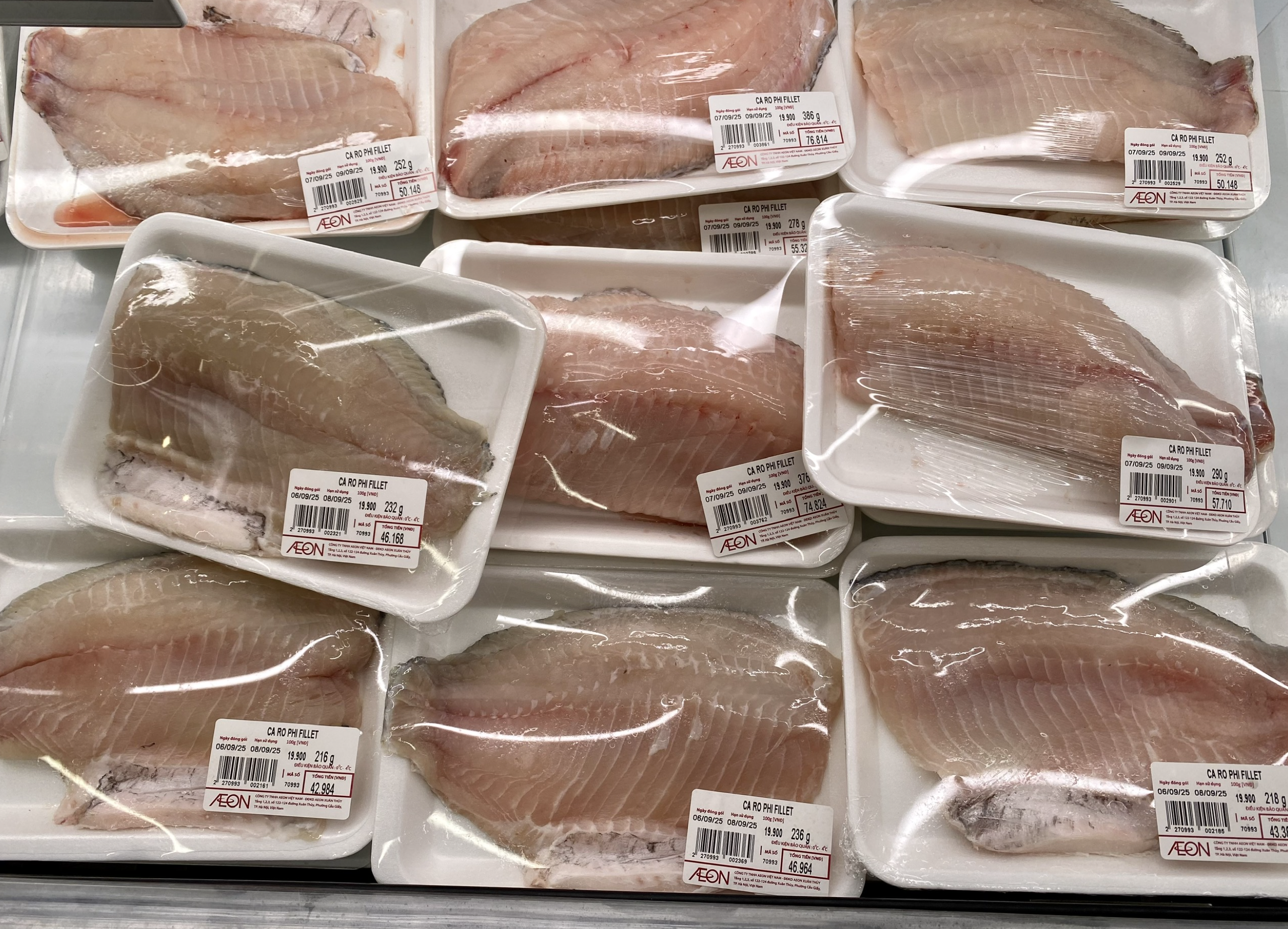
The recent trends and growth in tilapia exports illustrate Vietnam’s emerging role in the global seafood market, backed by a robust production infrastructure and an emphasis on quality and safety standards.