
Vietnam’s Logistics Development: Paving the Path to a Robust Future
A Long-term Comprehensive Policy Framework
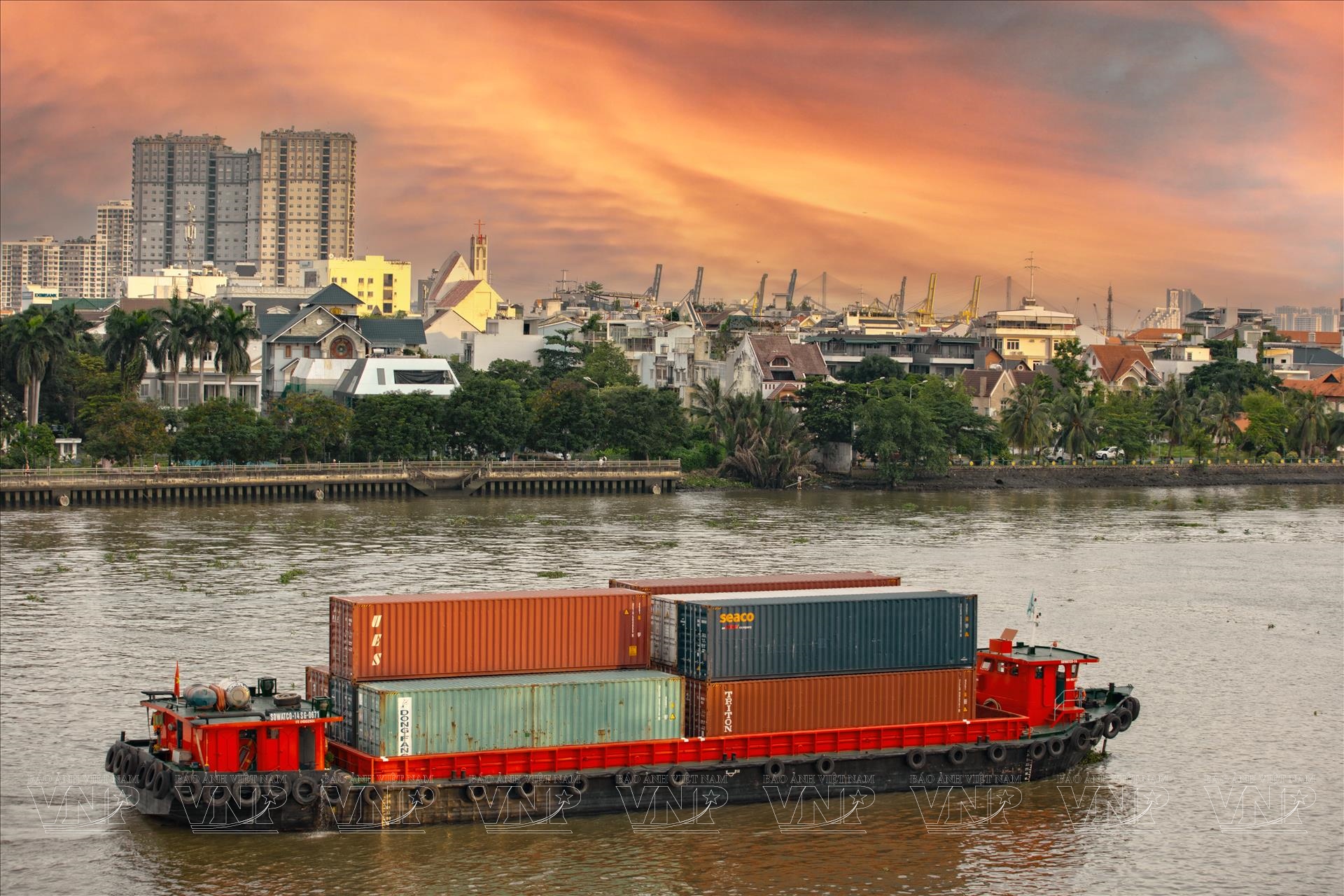
Vietnam’s Logistics Services Development Strategy for the 2025–2035 period, with a forward-looking vision for 2050, asserts logistics as the backbone of the national economy. By positioning logistics as an essential infrastructure, the strategy sets out a roadmap designed to boost national competitiveness and support the transformation of Vietnam’s growth model. The Deputy Director of the Agency of Foreign Trade, Tran Thanh Hai, emphasizes this shift as a new “policy driver” crucial for improving operational efficiencies.
Ambitious Targets on the Horizon
Dr. Bui Ba Nghiem, a senior specialist, outlines ambitious targets within this strategy, including:
- Contribution of logistics to GDP: Aiming for 5-7% by 2035.
- Annual growth of logistics: Targeting a steady increase of 12-15%.
- Reduction of logistics costs: Aiming for costs to fall to 12-15% of GDP.
- International ranking improvement: Aspiration to rank among the world’s top 40 nations in logistics performance.
Innovatively, the plan anticipates establishing five international logistics centers soon, with projections of ten by 2050, solidifying Vietnam’s position as a regional transshipment hub.
Infrastructure Development Priorities
Emphasizing infrastructure, the strategy focuses on developing a comprehensive and modern system. This involves upgrading seaports, airports, inland ports, and railways to support a multimodal interconnected network. Currently, over 70% of freight volume relies on road transport, underscoring the need for diversified logistics routes.
E-commerce and Green Initiatives
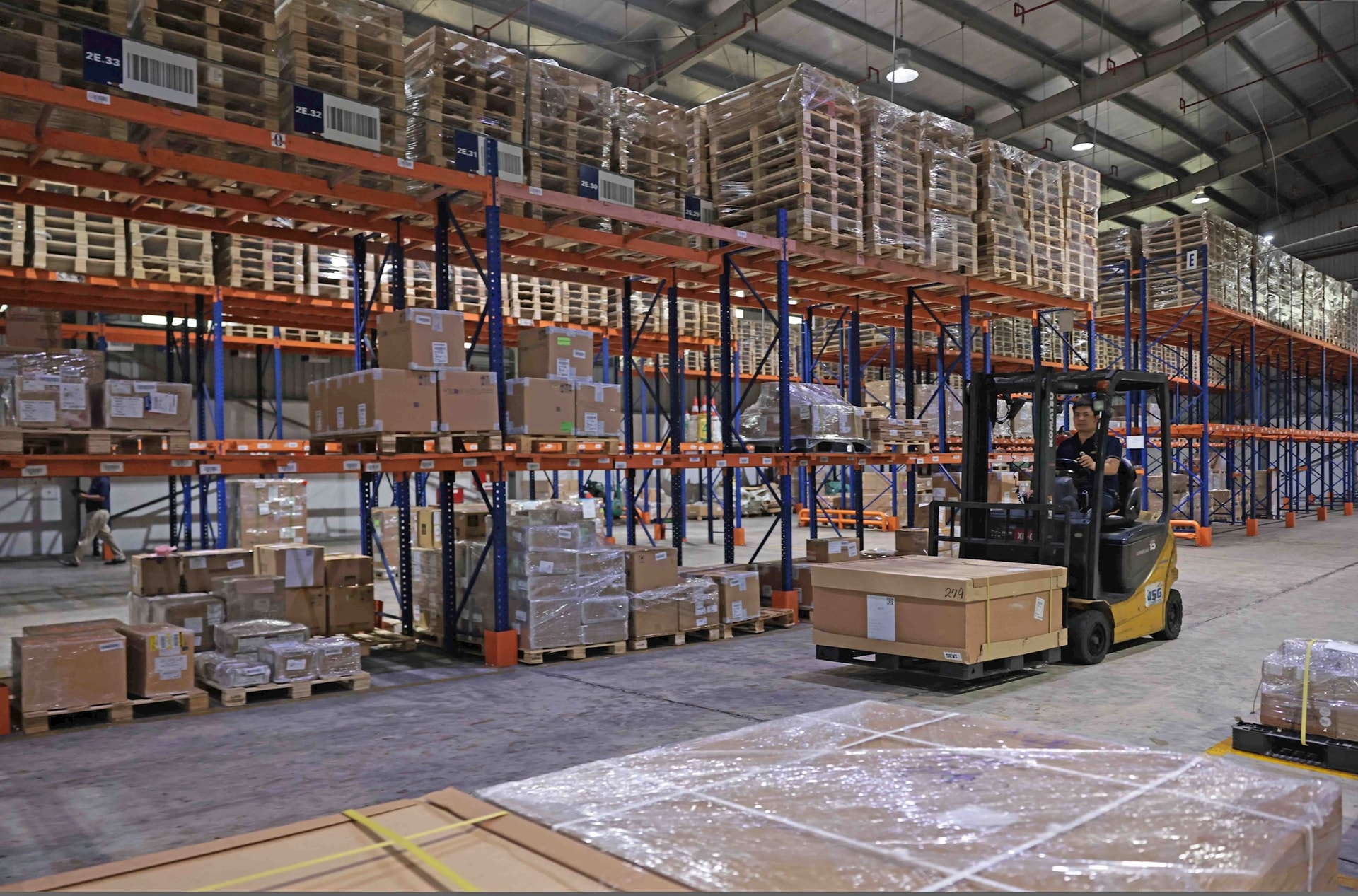
Significantly, the strategy places strong emphasis on e-commerce logistics, smart warehousing, and green urban logistics. Businesses are encouraged to capitalize on the burgeoning digital economy, creating smarter, more efficient operational frameworks.
Geographic Strategy for Optimization
The formation of logistics zones in strategic locations such as the Red River Delta, Southeast, and the Central region will enhance connectivity corridors, facilitating trade and boosting exports. The logistical powerhouses of Hanoi, Hai Phong, Ho Chi Minh City, and Da Nang will serve as thriving conduits for economic activity.
Potential for Growth and Integration
Experts assert that the 2025–2035 Logistics Services Development Strategy is a golden opportunity for Vietnam to not only reconstruct its logistical framework but also to cut costs and elevate its standing on the international stage. Achieving these objectives will necessitate a transformative approach in governance and infrastructure, including:
- Modern logistics practices
- Deepened cooperation between government entities, businesses, and local authorities
Strengthening Vietnam’s Regional Position
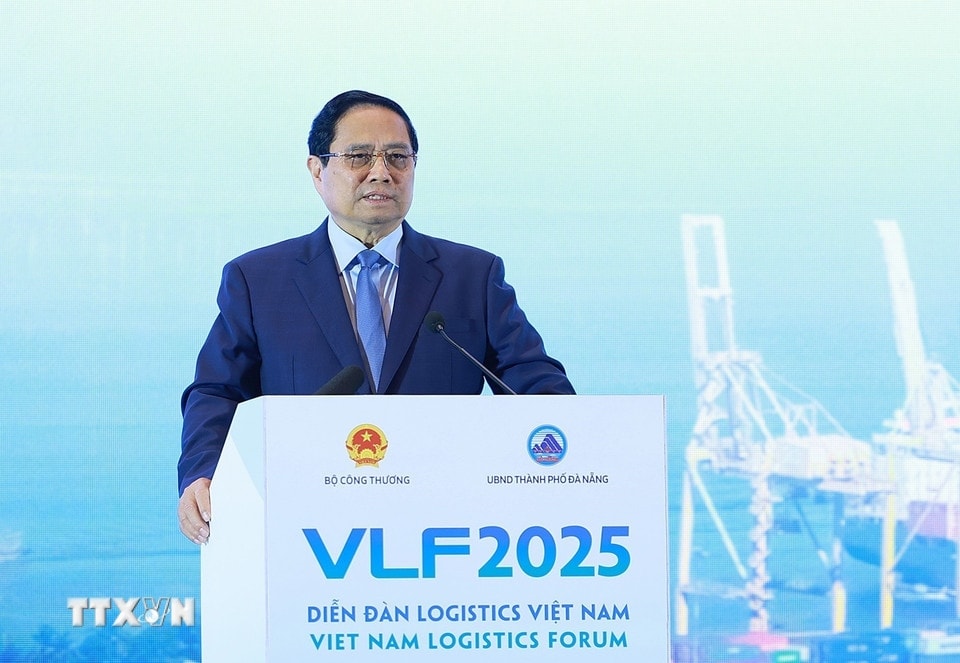
During the Vietnam Logistics Forum 2025, Prime Minister Pham Minh Chinh highlighted that logistics costs in Vietnam have seen a reduction to about 16% of GDP, translating into significant savings for trade enterprises. The logistics infrastructure has seen considerable development, with over 34,000 businesses making strides in global supply chains by leveraging advanced technologies.
Policy and Innovation Emphasis
The Prime Minister stressed the importance of robust institutional frameworks and logistics planning. In striving for stable, comprehensive, and transparent policies, Vietnam is urged to create advanced logistics infrastructure that values connectivity and innovation:
- Focus on developing intelligent governance structures that encourage collaborative innovation
- Mobilize resources for green, digital, and smart logistics
Strategic Planning for Skilled Workforce Development
As logistics evolves, training skilled workers remains crucial. The development of multinational logistics firms capable of integrating into global value chains is paramount. Prime Minister Chinh stresses that intelligent logistics systems should facilitate collaboration between various stakeholders, including businesses, regulatory agencies, and support service providers.
Ambitious Aspirations for the Future
The government is steadfast in its mission to achieve a more integrated logistics ecosystem, targeting a spot among the world’s top 30 countries in the Logistics Performance Index by 2035. The emphasis on seamless infrastructure, smart governance, and practical implementation will empower Vietnam’s logistics sector to reach new heights.
Conclusion
Vietnam’s multifaceted strategy for logistics development is not merely a local initiative; it holds the potential for substantial regional and global impact. By embracing innovation and fostering collaboration across sectors, Vietnam is poised to become a key logistics hub, echoing the government’s vision of a vibrant and resilient future.