
|
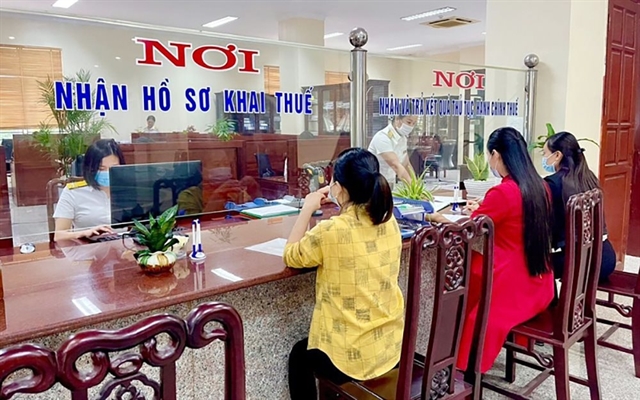
| A view of a tax office in Hà Nội. Under Decree 320/2025/NĐ-CP detailing the implementation of the Law on Corporate Income Tax, the standard corporate income tax rate is 20 percent. Photo cafef.vn |
HÀ NỘI — In a significant move to stimulate economic growth, the Vietnamese government has introduced a new decree that offers attractive corporate income tax (CIT) incentives for various businesses. This initiative is part of Decree 320/2025/NĐ-CP, which elaborates on the implementation of the Law on Corporate Income Tax. Let’s delve into what these changes mean for enterprises operating in Vietnam.
At the core of the new decree is the establishment of a standard corporate income tax rate set at 20 percent. This is a moderate rate in comparison to global standards and reflects the government’s continued commitment to fostering a conducive business environment. However, what truly sets this decree apart are the preferential rates available for small and medium businesses, aimed at providing much-needed financial relief to burgeoning enterprises.
For companies with a total revenue of up to VNĐ3 billion (approximately US$114,000) in the preceding year, a reduced CIT rate of 15 percent will apply. This significant reduction is designed to help startups and smaller businesses thrive in their formative years. Furthermore, for enterprises that saw their total revenue exceed VNĐ3 billion but remain below VNĐ50 billion, they can benefit from a slightly higher rate of 17 percent. This tiered approach to taxation acknowledges the diverse needs of businesses at different stages of their growth.
Determining the eligibility for these preferential tax rates relies on a comprehensive understanding of total revenue. The revenue considered includes not just the sales of goods and services, but also financial activities and other income as reported in the enterprise’s business result statements. This ensures that a holistic view of the business’s financial health is taken into account, providing a fair basis for tax assessment.
Moreover, Decree 320/2025/NĐ-CP outlines what constitutes deductible expenses when calculating taxable income for corporate income tax purposes. This clarity is crucial for businesses as they navigate their financial operations. Eligible deductible expenses encompass a range of costs associated with business activities. Notably, expenses related to the purchase of goods and services, which need to meet the threshold of VNĐ5 million per transaction and must have non-cash payment documentation, can be deducted from taxable income.
Additionally, businesses can claim deductions for expenses incurred during market research and the development of new products or services. This includes investments in projects that may not always yield successful outcomes, reflecting a balanced approach to supporting innovation. The government recognizes that not all ventures will succeed, and allowing deductions for these unsuccessful projects is a step towards encouraging risk-taking and development in the market.
Furthermore, businesses will also be able to deduct the output VAT on goods given as complimentary gifts to customers. This aspect aims to promote customer engagement and loyalty, providing enterprises the flexibility to reward clients without the burden of additional tax liabilities. Such incentives can foster stronger relationships between businesses and their customer base, ultimately contributing to sustained economic growth.
In essence, Decree 320/2025/NĐ-CP not only aims to simplify the corporate tax structure but also introduces measures to support smaller businesses, encouraging them to invest in growth and innovation. These changes reflect a broader commitment by the Vietnamese government to stimulate economic progress and enhance the overall business climate in the country. The atmosphere fostered by these tax incentives is expected to invigorate the entrepreneurial spirit and promote a diverse and resilient economy.