
The Dawn of Modern Transport in Ho Chi Minh City: Metro Line 1
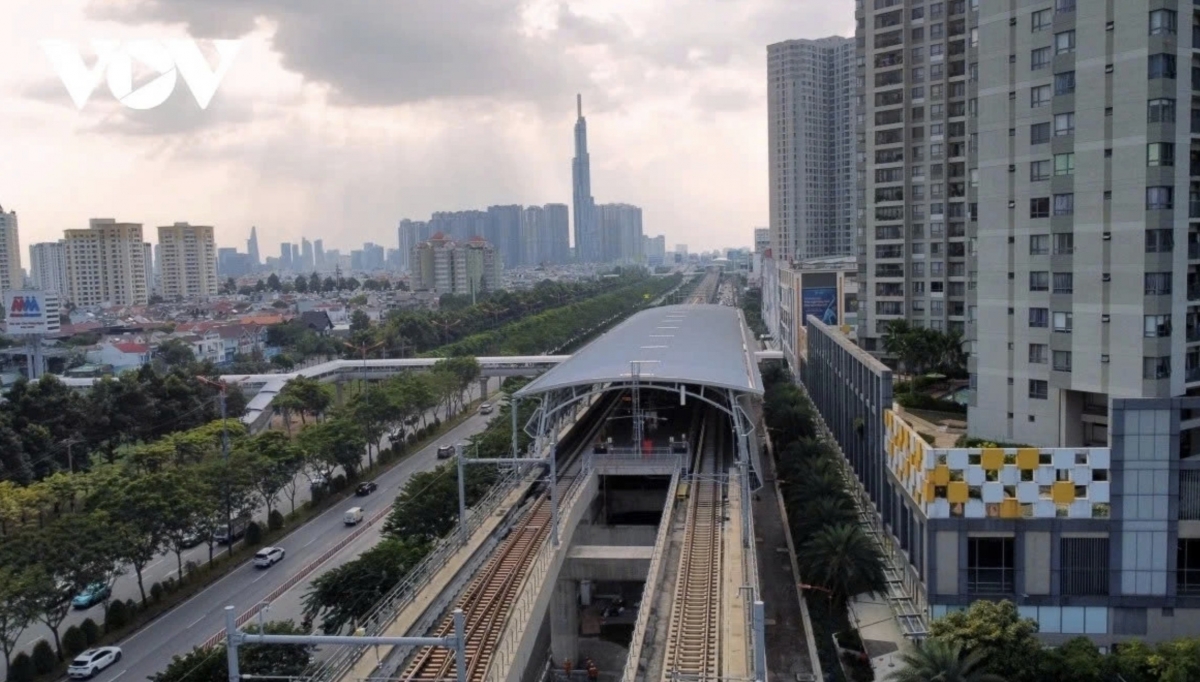
As Vietnam continues to surge forward in its quest for modernization and integration into the global marketplace, infrastructural development has taken center stage. Ho Chi Minh City, the country’s bustling economic hub, is set to mark a significant chapter in this journey with the launch of Metro Line 1. This ambitious project not only promises to enhance the city’s transport capabilities but also serves as a beacon of Vietnam’s evolving infrastructure landscape.
A Strategic Shift in Infrastructure Investment
The 13th National Congress of the Communist Party of Vietnam reflected a pivotal change in mindset regarding infrastructure development. The consensus is clear: infrastructure is not just a necessity but is considered the “lifeblood” of the national economy. The political resolve to invest in various infrastructure projects has never been stronger, emphasizing the role of public investment in shaping the nation’s future.
Vietnam is currently experiencing a surge in public investment, with key projects like the eastern section of the North–South Expressway and the Long Thanh International Airport taking shape. These initiatives are designed to strengthen the economy by reducing travel times and enhancing trade capabilities.
Ho Chi Minh City’s Metro Line 1: A Modern Transport Solution
Metro Line 1, connecting Ben Thanh Market in District 1 to Suoi Tien Theme Park in District 9, epitomizes this ambitious infrastructure vision. Not only will it facilitate smoother commutes for locals and visitors alike, but it will also alleviate chronic traffic congestion, which has long plagued the city. This metro line is expected to serve up to 200,000 passengers daily, significantly enhancing the efficiency of urban transport in Ho Chi Minh City.
The project is a result of concerted efforts to integrate modern urban transport systems, which are essential for attracting foreign investment and fostering economic growth. With substantial backing from both public and private sectors, the Metro Line 1 is emblematic of a new era of transportation.
The Integration of Renewable Energy in Infrastructure Development
As Vietnam endeavors to construct its urban infrastructure, sustainability remains a focal point. The government is promoting projects that incorporate renewable energy sources, thus contributing to a greener future. A series of wind and solar power projects are being implemented in tandem with development initiatives, ensuring that energy supply diversification goes hand-in-hand with infrastructural growth.
Furthermore, as cities like Ho Chi Minh City evolve into smart cities, the combination of advanced energy systems and modern telecommunications lays a strong foundation for broader economic transformation. The goal is to cultivate a digital economy that supports sustainable urban planning and efficient public services.
Public-Private Partnerships: The New Investment Framework
In a noticeable shift, Vietnam is moving away from solely state-funded infrastructure projects. The government is now actively encouraging private and foreign investments through refined public-private partnership (PPP) frameworks. With legal structures becoming more transparent, domestic enterprises are increasingly taking on vital roles in building and managing key infrastructure projects, from expressways to regional seaports.
Chairman Phan Huu Duy Quoc of Construction Corporation No. 1 emphasized that the capacity of local businesses has strengthened significantly. They are now capable of handling complex projects, ranging from major sea-crossing bridges to intricate urban developments.
The Economic Ripple Effect of Infrastructure Breakthroughs
Investment in infrastructure is not just about physical structures; it has far-reaching economic implications. With every completed expressway segment or airport, a new network of opportunities emerges for trade, investment, and innovation. The interconnected nature of these projects allows for an integrated economic landscape that enhances competitiveness.
The recent merger of Bac Ninh and Bac Giang provinces illustrates this point. By focusing public investment on large, inter-regional initiatives, the government is laying the groundwork for greater connectivity between diverse economic zones—fostering collaboration between urban and rural areas and stimulating regional growth.
Future Outlook: The Vision Beyond Transport
As the nation prepares for the 14th National Party Congress, the emphasis on infrastructure breakthroughs remains central to Vietnam’s development agenda. The aspiration is clear: create a modern, interconnected, and sustainable infrastructure network that empowers Vietnam in the global arena. This mindset extends beyond transportation, proposing a holistic approach that includes sectors like healthcare, education, and culture—a move that acknowledges the multifaceted benefits of infrastructural investment.
Economist Hoang Van Cuong highlighted the urgent need for further mobilization of resources in upcoming socio-economic projects. By continually expanding the scope of PPP models, Vietnam can ensure that investment benefits spill over into various sectors, thus making comprehensive development achievable.
The drive towards infrastructural progress is not merely about construction; it is about crafting a resilient, competitive ecosystem. With ambitious projects underway, each initiative not only signifies a physical transformation but also a leap towards Vietnam’s collective aspiration for strength and prosperity. As the journey continues, the people of Vietnam can look forward to a future marked by progress, opportunity, and a stronger national identity.