
The Green Finance Revolution in Vietnam
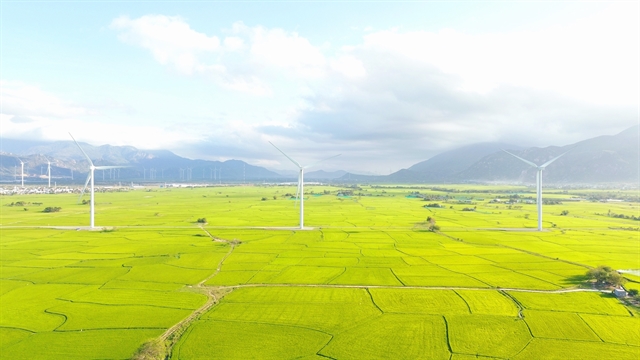
VNA/VNS Photo
As Việt Nam accelerates its transition toward a green economy, green finance has emerged as a crucial pillar in the country’s development strategy. This multifaceted approach aims to unlock the necessary capital to achieve net-zero goals while fostering an inclusive shift towards sustainability.
Defining Green Finance
Green finance encompasses various financial instruments like loans, bonds, and investments directed toward sustainable energy projects, infrastructure, and climate resilience efforts. It plays a pivotal role in Việt Nam’s mission to reach net-zero emissions by 2050, a goal reaffirmed by Prime Minister Phạm Minh Chính at COP26. This ambitious commitment requires extensive structural changes and vigilant financial mobilization.
The Importance of Sector Transition
Achieving climate commitments necessitates sweeping transformations across multiple sectors, including energy, transport, construction, and agriculture. Green finance is not merely a funding mechanism; it’s a barometer for Việt Nam’s preparedness for climate leadership, economic durability, and integration into sustainable global supply chains.
Focus Areas for Investment
In Việt Nam, green finance primarily targets renewable energy, particularly wind and solar power. Other key sectors include energy efficiency improvements in manufacturing, green transportation, sustainable agriculture, and waste management. These initiatives not only mitigate emissions but also promise long-term job creation and resilient livelihoods for communities.
The Investment Challenge
According to the 2024 CleanTech Asia report, Việt Nam needs an estimated US$368 billion in green investments through 2040 to meet its climate targets. This significant funding shortfall underlines the need for both public and private capital mobilization and for building investor trust in a stable green finance ecosystem.
Recent Growth in Green Credit
As of March 31, 2024, Việt Nam’s outstanding green credit reached approximately VNĐ636.96 trillion ($25 billion), accounting for 4.5% of total outstanding credit. This represents an impressive nine-fold increase since 2015, with an average annual growth rate nearing 100%. However, while promising, the scale still falls short of what’s required for a holistic green transformation.
Key Financial Channels
Green credit is predominantly channeled into renewable energy projects (47%), green agriculture (32%), clean water initiatives (11%), and forestry. While growth in green credit is evident, the broader landscape remains modest compared to capital needs.
Banking Sector Initiatives
The Deputy Governor of the State Bank of Vietnam (SBV), Đào Minh Tú, highlighted that many banks are beginning to build frameworks for managing environmental and social risks, bolstered by green capital sources and international assistance. Current efforts also include improving legal frameworks to endorse green credit and integrating Environmental, Social, and Governance (ESG) factors within banking operations.
Challenges in Implementation
Despite advancements, barriers persist. As one bank CEO noted, accessing and managing green capital necessitates stringent internal standards. By 2025, all credit institutions will be required to evaluate environmental risks in lending and enforce corresponding standards.
The Role of Commercial Banks
Recent reports from the European Chamber of Commerce (EuroCham) reveal that around 40% of Vietnamese banks have started incorporating ESG criteria into their lending practices, with 76% now considering ESG in their risk management. However, gaps remain evident, particularly in terms of supporting climate-related financing—only 29% of banks currently engage in these activities.
Navigating Roadblocks
EuroCham identified several obstacles to expanding sustainable trade finance in Việt Nam. Notably, only 25% of Vietnamese exporters are aware of sustainable trade finance tools, impeding wider adoption. Additionally, the absence of comprehensive regulatory guidelines for sustainable trade finance hinders progress.
The Rise of Green Bonds
To bridge the investment gap, green bonds are gaining traction in Việt Nam. In 2023, TPBank successfully issued VNĐ1.2 trillion in green bonds aimed at supporting renewable energy and eco-agriculture initiatives. The Ministry of Finance is also working on a framework for sovereign green bonds to tap into global ESG capital markets.
Corporate Engagement and Impact
Private enterprises like Phúc Sinh Group have begun leveraging green capital, securing over VNĐ1 trillion ($38.8 million) from international financial institutions. This funding is utilized for innovative technologies in green projects aligned with long-term sustainability strategies.
Addressing the Small and Medium-Sized Enterprises (SMEs) Gap
While large companies make significant strides, small and medium-sized enterprises (SMEs)—which constitute 97% of Vietnam’s businesses—face challenges in accessing green financing. Only 13% of SMEs are knowledgeable about green finance options, highlighting the need for targeted outreach and tailored products to bridge this gap.
The Path Forward
For Việt Nam to transition from pledges to impactful actions, coordinated effort among various stakeholders is essential. This includes alignment between ministries, financial institutions, and international partners, ensuring that green finance efforts dovetail with broader economic reforms.
Conclusion
With a focus on collaborative policy-making, institutional accountability, and global cooperation, green finance holds the potential to usher in a new era of sustainable and inclusive growth in Việt Nam.