
The State of Vietnam’s Monetary Policy: Challenges for 2025
Author: Thai Ha, Thanh Thanh
Published on: Tue, January 7, 2025 | 8:14 PM GMT+7
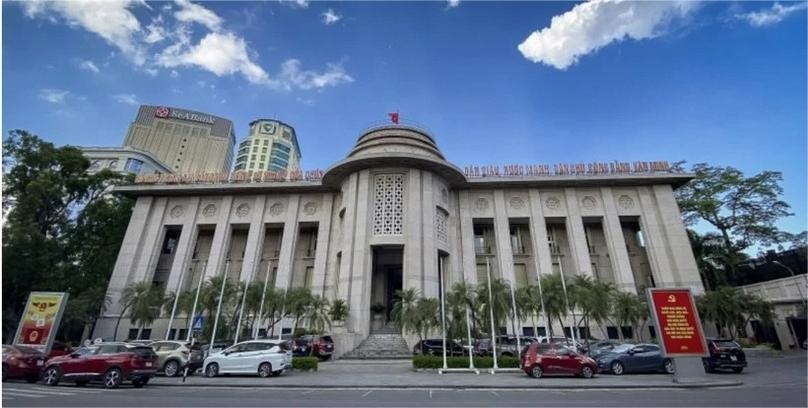
As we usher in 2025, the State Bank of Vietnam (SBV) finds itself on the brink of significant challenges in monetary policy management. Experts warn of mounting pressures that could lead to the devaluation of the Vietnamese dong (VND), complicating the economic landscape further.
VND/USD Exchange Rate: A Critical Variable
The fluctuations of the VND against the USD are poised to play a pivotal role in shaping Vietnam’s economy in 2025. Nguyen Tri Hieu, the director of the Institute for Research and Development of Global Financial and Real Estate Markets, points out that these fluctuations serve as a “major variable.” The outlook suggests that policies from the U.S. administration, particularly in light of anticipated changes under Trump’s leadership, will directly influence exchange rates.
U.S. Fiscal Policies: Implications for Vietnam
Experts contend that tax reduction initiatives favoring wealthy individuals in the U.S. could lead to an increased budget deficit. Such developments might force the U.S. government to issue bonds with higher interest rates, placing further strain on the dollar. A consequent rise in inflation could push the Federal Reserve (Fed) to transition from a loose monetary policy back to a tightening stance, thereby increasing the USD/VND exchange rate.
Anticipated Exchange Rate Pressures
According to RongViet Securities Company (VDSC), the SBV’s management of the exchange rate in 2025 is expected to be fraught with difficulties. The ongoing pressure for VND devaluation is compounded by the slim likelihood of U.S. tariffs on Vietnamese exports, a scenario that, if realized, would exacerbate existing challenges.
VDSC emphasizes that even with a hesitant outlook on tariffs, the “exchange rate pressure will still be a burden” for the SBV amid expectations of a stronger USD driven by a potential “Trump 2.0 administration” and its economic policies.
Projected Exchange Rate Fluctuations
VDSC forecasts that as foreign exchange reserves continue to dwindle, the VND/USD exchange rate will see substantial fluctuations, likely to be around ±5%. They predict an end-of-year rate of VND 26,200 per USD. Moreover, broader economic indicators point towards a potential rise of 5-10% in the DXY index, underscoring the factors that could work against Vietnam’s ambitions in stabilizing its currency.
Factors Influencing Exchange Rate Stability
VDSC’s report identifies three fundamental factors that will govern the VND’s fluctuations:
-
Domestic Foreign Currency Supply and Demand: The balance of currency flow within Vietnam will be crucial in maintaining stability.
-
Prospects of USD Price Increases: Anticipations around the strength of the USD will further sway the VND’s valuation.
-
U.S. Tariff Policies Towards Vietnam: Enduring tariff risks could significantly affect export dynamics and the broader economic backdrop in Vietnam.
Impact of Monetary Policies
Further complicating matters are the ramifications of central bank policies worldwide, which can create transient advantages for exchange rate management. Despite potential interest rate cuts by global central banks, the pressure from the anticipated USD appreciation could overshadow these benefits.
Long-term Projections for the VND
Analysts, including Michael Kokalari from VinaCapital, project a 3% depreciation of the Vietnamese dong in 2025. In contrast, Standard Chartered suggests that necessary rate cuts by the Fed could trigger a softer USD bias, leading to a predicted exchange rate of VND 25,450 by mid-2025.
As the SBV navigates these complexities, the daily reference exchange rate for the USD recently stood at VND 24,332. Commercial banks like Vietcombank have already adjusted their offerings, reflecting the continual recalibration in response to dynamic economic conditions.
This evolving narrative around Vietnam’s monetary environment sets the stage for a turbulent year ahead in 2025, where fiscal policies beyond its borders could dictate the trajectory of its economic strength. The SBV faces a landscape filled with potential upheaval as it strives to stabilize the VND amidst fluctuating global currencies and economic policies.