
In a dynamic landscape where fintech continues to reshape the economic fabric of Southeast Asia, the launch of 1982 Ventures marks a significant milestone. Established by former principals of Singapore-based Tryb Group, Herston Powers and Scott Krivokopich, 1982 Ventures entered the scene in December 2019 with a clear purpose: to invest in early-stage fintech startups across the region, particularly focusing on Indonesia, Singapore, the Philippines, and Vietnam.
Powers articulated their vision succinctly during a recent interview with KrASIA, stating, “We have created and executed a strategy on investing in various fintech firms in Southeast Asia in the past. We came up with a thesis on finding great founders and watching them perform well with major late-stage investors following our investments.” The duo’s confidence in this thesis spurred their decision to launch 1982 Ventures, which encapsulates a clean and refreshed approach to venture capital.
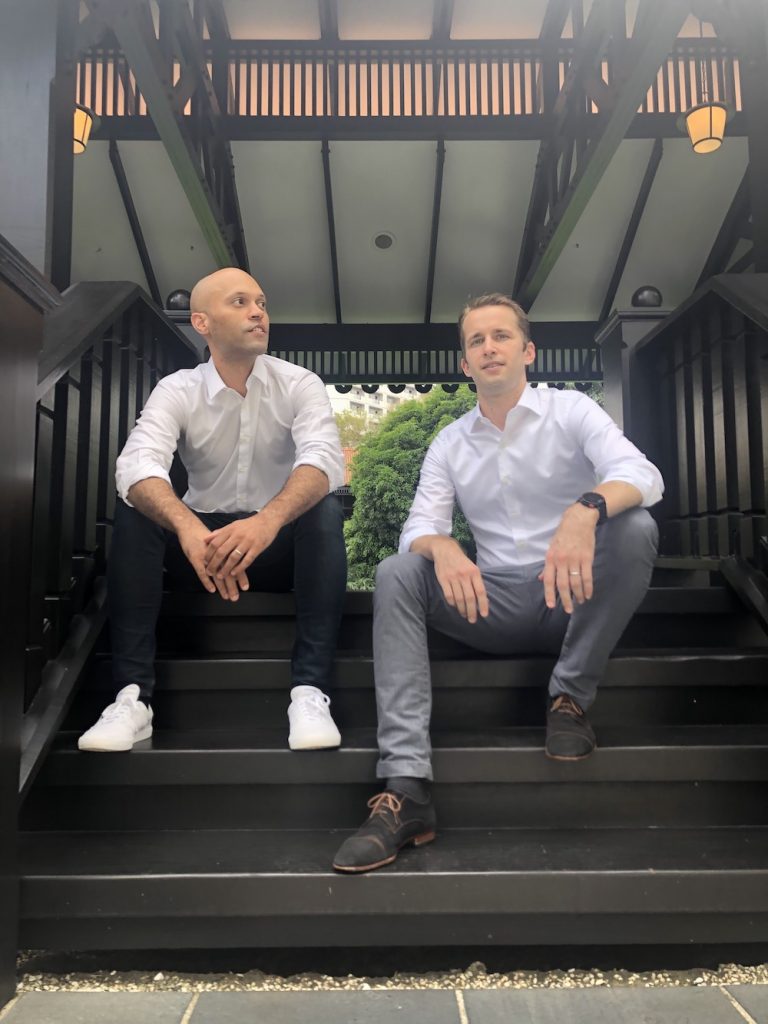
The name “1982” holds personal significance, representing the birth year of both Powers and Krivokopich. In their respective roles, Powers is responsible for strategic direction and portfolio management, while Krivokopich focuses on investments and deal execution. Their complementary expertise positions 1982 Ventures to navigate the complexities of fintech investments effectively.
Powers has made notable contributions during his time at Tryb Group, leading investments in key players like the Indonesian Islamic fintech startup Alami and the proptech firm Gradana. His portfolio also includes Maria Health, a Philippines-based insurtech platform. Krivokopich has similarly built a robust investment track record with ventures such as First Circle, a digital lender targeting small and medium enterprises (SMEs), and AsiaCollect, a digital debt collection service.
What sets 1982 Ventures apart is its designation as the first exclusively seed-stage fintech VC firm in the region. “We only invest in fintech because that is our expertise and we want to be the first VC that founders accept money from,” Powers remarked. This singular focus underscores their commitment to fostering innovation within the fintech sector.
The firm aims to invest in around 40 to 50 companies under its initial fund, targeting ten deals with investment amounts between USD 100,000 to USD 500,000 over the next nine months. Despite prevailing economic uncertainties, Powers remains optimistic about the untapped potential within early-stage investments. “The risk of investing in seed-stage startups is actually very similar to investments in slightly more mature companies,” he noted. He believes that the returns during seed-stage investments often surpass those achieved in later stages.
Moreover, a gap in VC funding for seed-stage companies suggests an opportunity for 1982 Ventures to make its mark. Powers identified that many seed investors from a few years ago are now moving upstream, creating less competition in the seed round. “It is still the hardest round for founders to raise money,” he pointed out, emphasizing the firm’s commitment to supporting the next generation of fintech innovators.
In discussing the future of fintech in Southeast Asia, especially in Indonesia, Powers expressed strong conviction in the rising trend of cashless payments. The growing fintech landscape, particularly in lending, presents immense opportunities due to a significant financing gap. Powers pointed out, “Our core focus will be lending, payments, and payments infrastructure, as well as insurtech.” He sees a promising future for advisory wealth management and various securities trading platforms as the middle class continues to rise and demand for financial services evolves.