
One of the World’s Fastest-Growing Economies
Vietnam has made headlines in recent years, emerging as one of the fastest-growing economies globally. In 2025, the nation recorded an impressive GDP growth of 8.02%, marking the strongest rebound since the post-pandemic surge in 2022. This growth underscores Vietnam’s remarkable economic resilience, especially in the face of numerous challenges both locally and internationally, including geopolitical conflicts and severe weather events.
The stability of Vietnam’s macroeconomic fundamentals is noteworthy. Average inflation held steady at 3.31%, while fluctuations in exchange rates and interest rates remained minimal for most of the year. This stability has provided a conducive environment for the recovery of various sectors, particularly the services and industrial sectors.
One of the standout achievements in 2025 was the boom in tourism, with nearly 21.2 million international visitors—an all-time high. This revival is not merely an economic statistic but a rejuvenation of the broader service sector, with significant implications for employment and domestic consumption.
However, while the overall numbers appear promising, they tell only part of the story. Vietnam’s economy in 2025 was marked by paradoxes. Despite high GDP growth, the real strength of household consumption remained worrisome.
Sluggish Household Spending
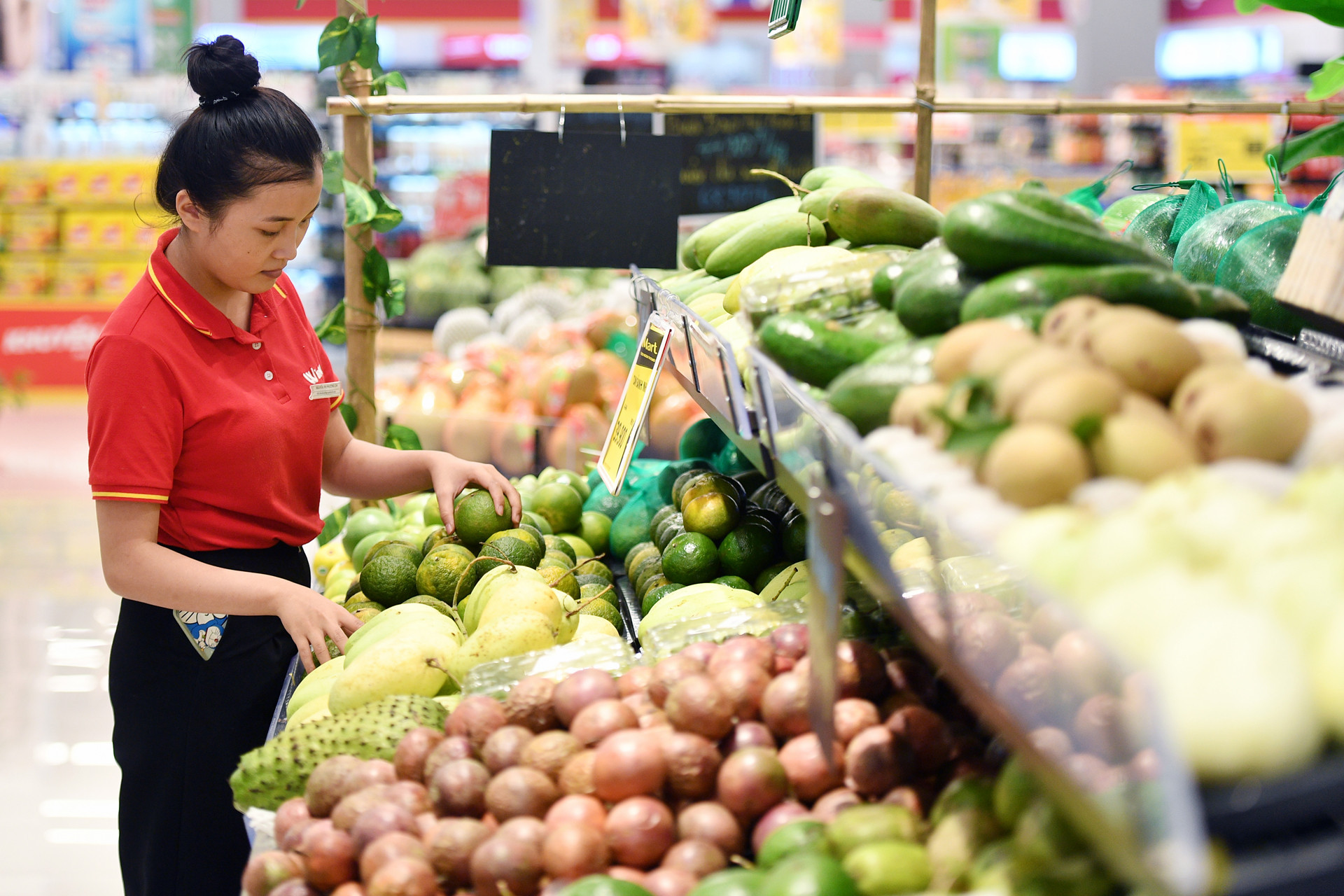
A critical area of concern is domestic consumption, which ideally should serve as a leading indicator for a nation with over 102 million people. However, the growth figures reveal a disconnect: high GDP growth does not necessarily translate into strong consumer confidence or spending.
Retail sales and service revenues increased in nominal terms, yet when adjusted for inflation and other factors, the real growth rate barely rose above the previous year, sitting at approximately 6.7%. This stagnation can be attributed to several factors, including slow recovery in income levels for many households and the impact of natural disasters, which disrupted livelihoods and forced families to tighten their budgets.
It’s clear that the existing model, which leans heavily on public spending to stimulate growth, is not sustainable long-term. If consumer confidence and spending power do not recover robustly, Vietnam may encounter severe limitations as it aims for an ambitious GDP growth target of 10% in 2026.
Public Investment Leads the Way
Another significant driver of Vietnam’s economic growth in 2025 was public and social investment, which surpassed VND 4.15 quadrillion (about USD 172 billion). Public investment alone saw a remarkable increase, with implementation rates growing by over 26%. Major infrastructure projects have progressed rapidly, impacting sectors like construction, logistics, and related services positively.
Foreign Direct Investment (FDI) also showed encouraging signs, with disbursement hitting USD 27.62 billion—the highest figure in five years. However, a deeper examination of these investments reveals that state-led initiatives accounted for nearly 30% of the total, growing by almost 20%. In contrast, domestic private investment lagged, growing only 8.4%. This disparity highlights potential long-term concerns regarding the private sector’s vital role as an economic engine.
While government-led investments are essential in the short term, they require strategic focus to avoid scattered efforts that yield subpar results. Encouraging private sector engagement and fostering an innovative environment are crucial for sustained economic gains.
FDI Dominates Exports
External trade, traditionally dubbed as Vietnam’s growth locomotive, played a pivotal role in the nation’s economic performance in 2025. Total trade reached a staggering USD 930 billion, setting a new record. Yet, this impressive volume raises questions about efficiency, as the trade surplus has been declining, indicating waning net export contributions to GDP.
Moreover, Vietnam’s growing dependency on foreign direct investment (FDI) firms is concerning. In 2025, these enterprises represented 76% of total exports—a figure significantly higher than a decade prior. The country also remains heavily reliant on two key markets: over 32% of exports went to the U.S., while China accounted for more than 40% of imports. Any policy changes or economic shifts in these markets could trigger substantial repercussions for Vietnam’s economy.
Monetary Expansion Adds Pressure
As 2025 drew to a close, emerging financial pressures became apparent. Interbank rates remained elevated, capital mobilization tightened, and commercial banks raised deposit rates to between 7% and 8% annually. Government bond issuance faced momentum loss, signaling growing challenges for securing funding for public investment and balancing budgets.
The monetary policy landscape began shifting as well, with broad money supply seeing a nearly 15% increase year-over-year. Bank deposit growth reached 13.68%, while credit growth surged to 17.65%, surpassing the previous year’s rates significantly. Though this targeted liquidity infusion aims to sustain high growth, it raises future inflation and macroeconomic stability concerns.
Can Vietnam Grow Fast and Grow Strong?
Vietnam’s 8.02% growth in 2025 is truly commendable, representing a robust response to economic adversity. However, the real challenge lies in maintaining this momentum while also restructuring the economic model for sustainable long-term growth. A shift from reliance on public spending, FDI, and exports towards strengthening domestic consumption is essential. In the face of uncertain market conditions and emerging financial pressures, restoring consumer confidence, improving investment quality, and decreasing dependency on foreign markets are critical steps forward.
Vietnam’s journey through 2025 showcases its potential for rapid acceleration. The question remains whether the nation can maintain this pace while running a long, sustainable race towards the historic goal of 10% growth.
Tu Giang