
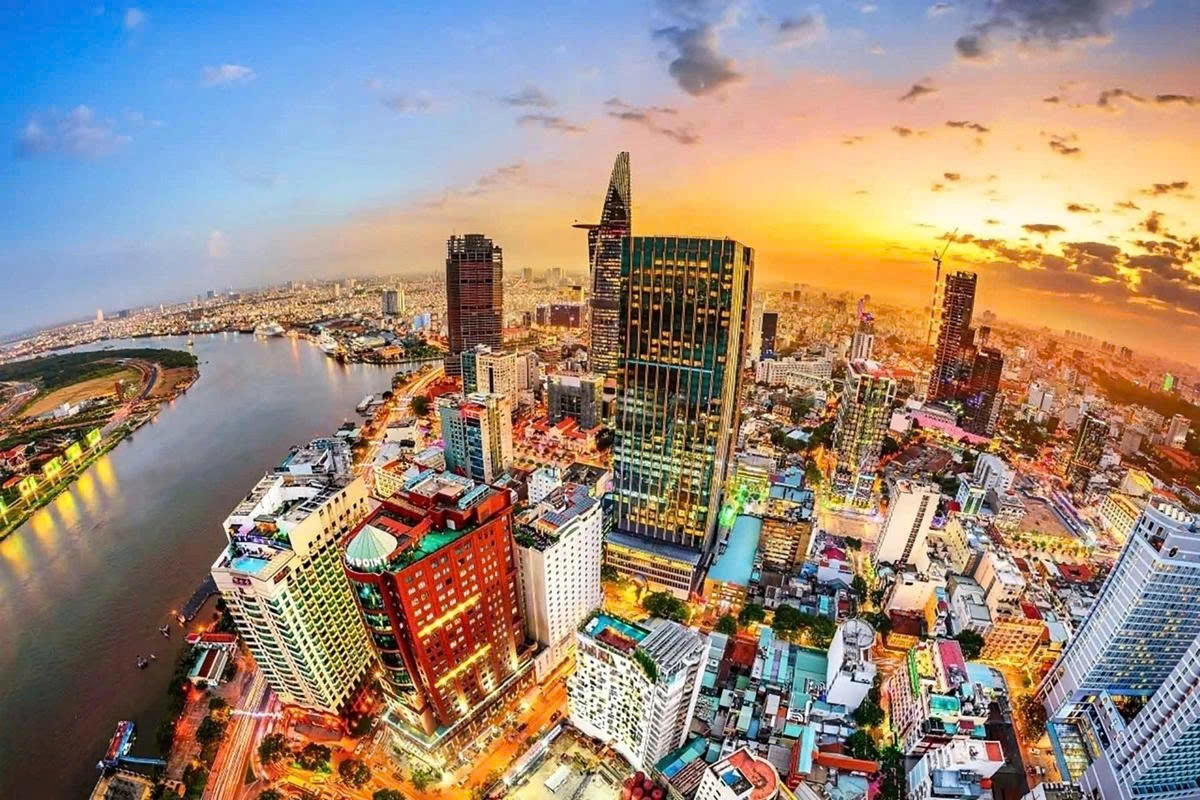
The Economic Landscape of Vietnam
Vietnam has emerged as a significant player on the Southeast Asian stage. Over the past thirty years, the country has navigated a path of economic reform and social development that has transformed its landscape, paving the way for its ambitious future.
Growth Projections and Economic Reforms
A Promising Future
A recent report by the Centre for Economics and Business Research (CEBR) outlines an optimistic outlook for Vietnam, predicting an average annual growth rate of approximately 6.5% over the next decade. Complementing this, Asiaweek Journal suggests that Vietnam could become the second-largest economy in Southeast Asia by 2028. Such projections highlight the country’s robust economic fundamentals and strategic positioning in global markets.
A Strong Manufacturing Sector
One of Vietnam’s key strengths lies in its vibrant manufacturing sector. As the country integrates deeply into global supply chains, it benefits from numerous free trade agreements, including the EU-Vietnam Free Trade Agreement (EVFTA) and the Regional Comprehensive Economic Partnership (RCEP). These agreements facilitate trade and investment, further solidifying Vietnam’s role as an attractive hub for international businesses.
Resilience and Macroeconomic Management
Shantanu Chakraborty, the Asian Development Bank (ADB) country director, emphasizes Vietnam’s resilience and strategic management of its macroeconomy. The government’s careful oversight of foreign debt levels and proactive fiscal policies have established a sturdy framework from which to tackle any uncertainties that may arise.
Demographics and Workforce Quality
Vietnam’s young and dynamic population contrasts sharply with its regional neighbors facing challenges of aging demographics. With a literacy rate nearing 95% and commendable performances in international assessments like PISA, Vietnam is making significant strides toward cultivating a high-quality workforce poised for the challenges of a competitive global economy.
Agricultural Innovations
In the realm of agricultural exports, Vietnam is closing the gap with regional leaders by investing in food and agricultural technology. Attractive tax incentives are drawing both domestic and foreign investors keen on tapping into Vietnam’s agricultural potential. This year, projections indicate that Vietnam may secure its position as the second-largest rice exporter globally, trailing only behind India.
Technological Advancements
Vietnam is evolving into a critical player in the global tech supply chain. Multinational companies such as Samsung, Intel, and Apple have made substantial investments in the country, recognizing its potential as a tech hub. Future initiatives like “Make in Vietnam” and ventures into the digital economy aim to further bolster Vietnam’s position in the global market, moving it higher up the value chain.
The Impact of Đổi Mới Reforms
The foundations of Vietnam’s economic success can be traced back to the Đổi Mới (Renovation) reforms initiated in 1986. These reforms set in motion a series of significant improvements across various metrics — from poverty reduction to human development indicators. James Anderson from the World Bank points out that these changes led to an expanding private sector that now plays a pivotal role in national economic activities.
A Resilient Nation
Vietnam’s intrinsic resilience is often highlighted by international media. Its ability to recover from historical adversities and maintain a progressive developmental trajectory is viewed as one of its greatest assets. As Vietnam forges ahead, it is not merely expected to thrive; it stands as a potential leader in the Southeast Asian region, equipped to tackle future challenges and seize opportunities.
Economic Growth Forecast
According to the ADB, Vietnam’s economy is projected to grow at 6.6% in 2025, following a robust 7.1% growth rate last year. This upward trajectory signifies not only stability but also an increasing attractiveness for investors and global partners eager to collaborate and innovate within this blossoming market.
With a focus on sustainable development and strategic investments, Vietnam is charting a course toward a more prosperous future, maintaining its status as a promising candidate for economic leadership in Southeast Asia.