
Foreign direct investment (FDI) continues to surge in Vietnam, with Ho Chi Minh City at the forefront, but policymakers are now steering inflows toward high-tech, green, and innovation-driven sectors to ensure long-term sustainable growth.
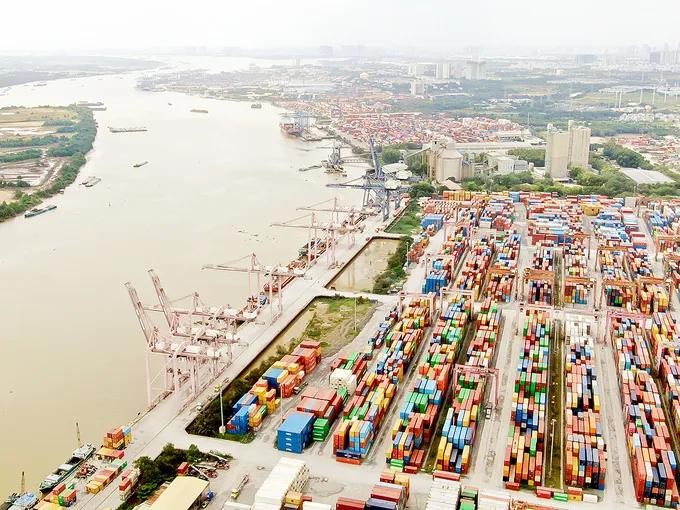
Foreign direct investment (FDI) flows in Vietnam have shown robust growth year-on-year, opening doors for more selective adjustments aiming at sustainable development. Policymakers recognize the need to channel these investment flows into sectors that not only promise immediate returns but also foster long-term economic health.
Investor confidence grows as Ho Chi Minh City leads FDI shift toward high-tech sectors
As the Lunar New Year approaches, meetings have highlighted the increasing interest of foreign businesses, particularly from Japan, in establishing enduring partnerships in Vietnam. In a recent dialogue, Chairman Kume Kunihide of the Japan Chamber of Commerce and Industry in Ho Chi Minh City conveyed the strong enthusiasm of Japanese enterprises to root their operations in the city, illustrating the robust confidence that foreign investors hold in both Ho Chi Minh City and Vietnam as a whole.
Looking ahead, by 2025, Ho Chi Minh City is projected to dominate the FDI landscape with an estimated cumulative investment of approximately USD 142.2 billion, driven by around 20,470 active projects. The forecast suggests that the city will attract more than USD 8.37 billion in FDI that same year, solidifying its status as a premier destination for global investors.
In January alone, the city managed to attract USD 372.8 million in new investments, a clear indication of sustained foreign interest. Notably, the city’s policies have shifted towards selective FDI attraction, prioritizing high technology and innovation, while limiting labor-intensive projects. This strategic pivot aims not only at increasing capital inflow but also enhancing project quality and implementation efficiency.
On a broader scale, Vietnam’s national policies echo this selective approach, as FDI disbursement figures reveal a promising upward trend. January 2026 witnessed an implemented FDI of USD 1.68 billion, up by more than 11% compared to the previous year, marking the highest disbursement recorded in the first month over the past five years. Such metrics underscore the enduring trust international investors place in Vietnam’s evolving business landscape.
Amidst these encouraging trends, a clearer focus on the quality of FDI attraction has manifested. The traditional emphasis on capacity expansion and cost advantages is now being supplanted by a demand for enhanced value creation, effective technology transfer, and stronger linkages with the domestic business sector. This shift reflects the mounting realization that a thriving economy requires sustainable growth drivers.
Ho Chi Minh City is continuously improving its investment environment
In light of escalating global competition, selective FDI attraction has emerged as a strategic imperative. Investors have highlighted key concerns such as policy stability, transparent regulations, skilled labor, and a resilient domestic business ecosystem. To maintain a competitive edge, Ho Chi Minh City’s authorities recognize the need for deeper reforms aimed at bolstering the predictability and effectiveness of its investment environment.
The head of the Department of Finance has committed to implementing significant reforms in 2026, including an assessment of incentive mechanisms to reduce fragmentation and enhance post-investment support. Central to this strategy is a proposal to the central government for eliminating overlapping regulations and refining tax and customs policies to promote consistency and fairness. Transforming administrative procedures through digitalization is another key approach to expedite processing times.
Moreover, Ho Chi Minh City is strategically positioning itself to attract multinational corporations with core technologies by innovatively promoting investment through a “partnership with investors” model. Fostering human resource development and enhancing dialogue to address investor concerns are essential steps in building a more confident and vibrant investment atmosphere.
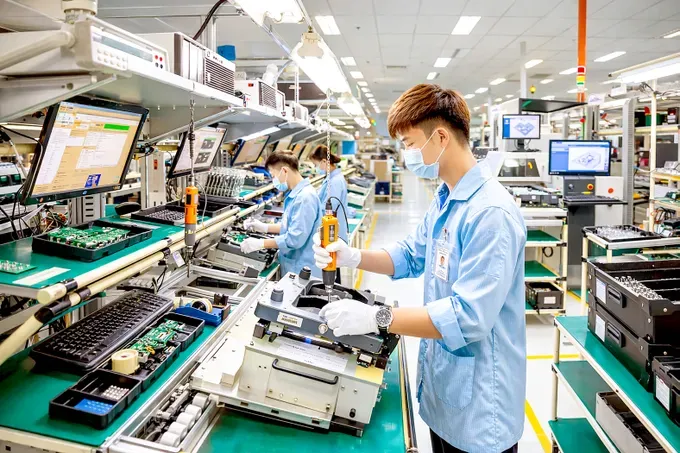
According to the head of the Department of Finance, a strategy to enhance FDI efficiency for 2023-2025, with a long-term vision stretching to 2030, is already in the pipeline awaiting sectoral development plans and Ho Chi Minh City’s 2040 Master Plan approval. Timely release of these plans is crucial in providing investors with a conducive environment for executing their investment strategies.
In terms of attracting international investment, Tran Phu Lu, Acting Director of the Ho Chi Minh City Trade and Investment Promotion Center (ITPC), emphasized this year’s targeted approach focusing on major corporations from the U.S., EU, Japan, South Korea, and Singapore in sectors like semiconductors, AI, renewable energy, international finance, and smart infrastructure. The focus will also be on increasing dialogue to actively monitor and resolve project-related challenges.
Investors are particularly keen on the ongoing development of the new Ho Chi Minh City master plan. Director Vo Hoang Ngan of the Department of Planning and Architecture noted that the necessary documents have been completed and submitted for early approval and issuance, paving the way for future investments.
Additionally, Ho Chi Minh City plans to roll out four new industrial parks this year, bringing the total to 63 operational parks, aimed at accommodating the rising demand from investors efficiently.
By staff writers – Translated by Anh Quan