
Exploring the Fifth Friendship Bridge
The opening of the Bueng Kan–Bolikhamxay Bridge, often referred to as the Fifth Friendship Bridge, marks a significant milestone in the regional transport networks of Southeast Asia. This ambitious project not only enhances connectivity between Thailand and Laos but also integrates these nations further into the broader economic framework of the region.
Strategically positioned, this bridge forms a crucial component of ongoing efforts to strengthen transport links and boost trade, investment, and logistics among Thailand, Laos, and Vietnam. The construction of the bridge aligns with regional initiatives such as the Greater Mekong Subregion (GMS) economic cooperation program and the Ayeyawady–Chao Phraya–Mekong Economic Cooperation Strategy (ACMECS). These frameworks aim to promote shared economic growth and development across the countries involved.
The bridge is not just about connecting two points; it is a vital artery for trade that fosters economic opportunities in Thailand’s upper Northeast. By facilitating a seamless transport route, the Fifth Friendship Bridge aims to enhance the competitive edge of the region, paving the way for increased cross-border collaboration and investment. Addressing the anticipated surge in travel and freight volume is a key focus, ensuring that this infrastructure can support future growth.
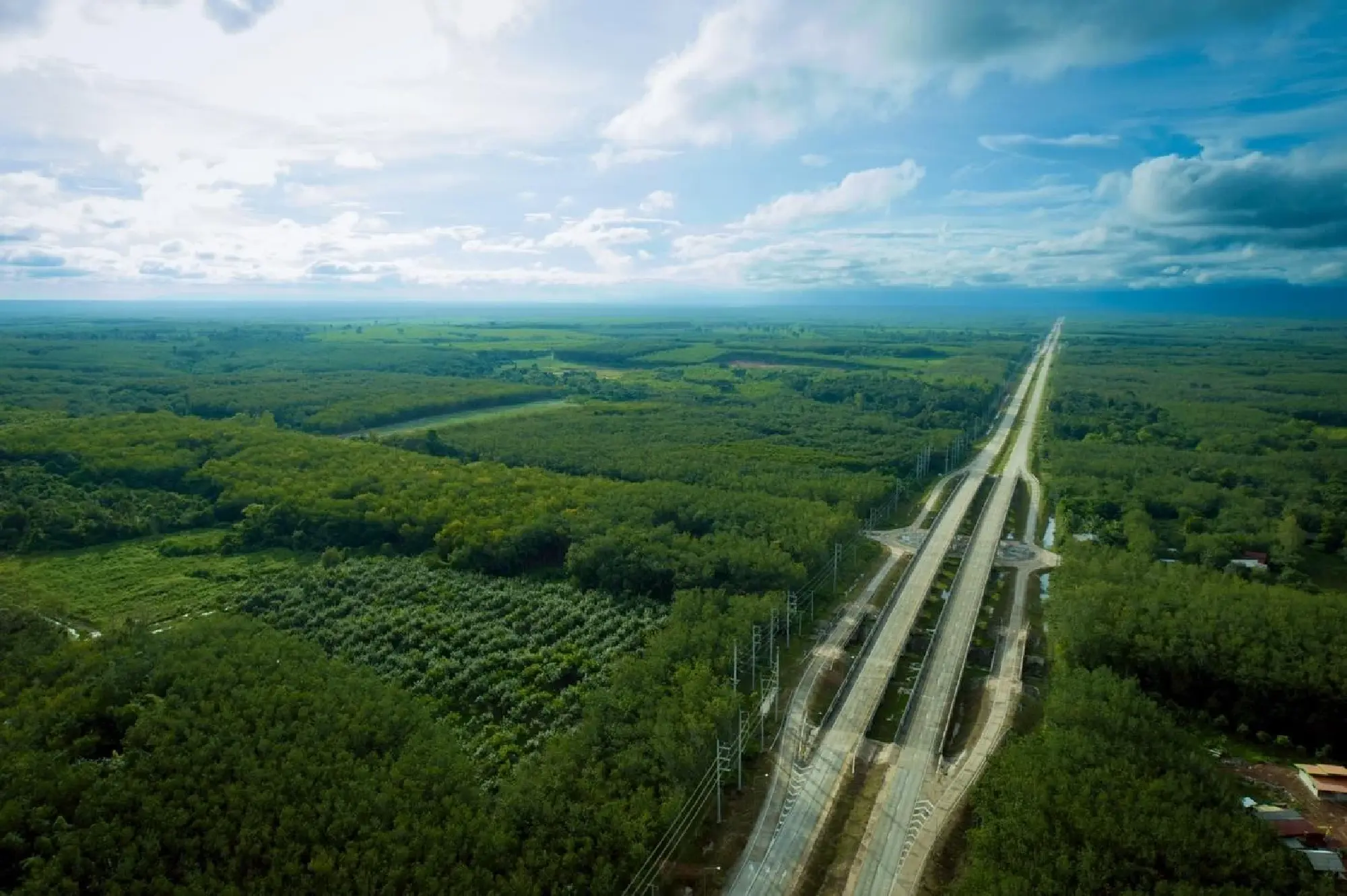
The Thai approach to this project involves a meticulous structuring of the road networks leading up to the bridge. The route is initiated in Mueang Bueng Kan district, cleverly tying into existing infrastructural grids, including Highway 222. From there, travelers will navigate through rural roads Bor Kor 3217 and Bor Kor 3013 before reaching Highway 212, ultimately crossing the Mekong River via the new bridge into Laos.
On the Thai side, the construction was segmented into three major components:
- Construction of the Road Section 1: Spanning from km 0+000 to km 9+400, this initial section lays the groundwork for the journey to the bridge.
- Construction of Road Section 2 and Border Checkpoint: Covering km 9+400 to km 12+082.930, this segment ensures a streamlined process for vehicles and individuals crossing the border.
- Mekong Bridge Section and Upgrades: From km 12+082.930 to km 13+032.930, this encompasses the bridge’s construction and enhancements to the Highway 212 intersection and a multipurpose area.
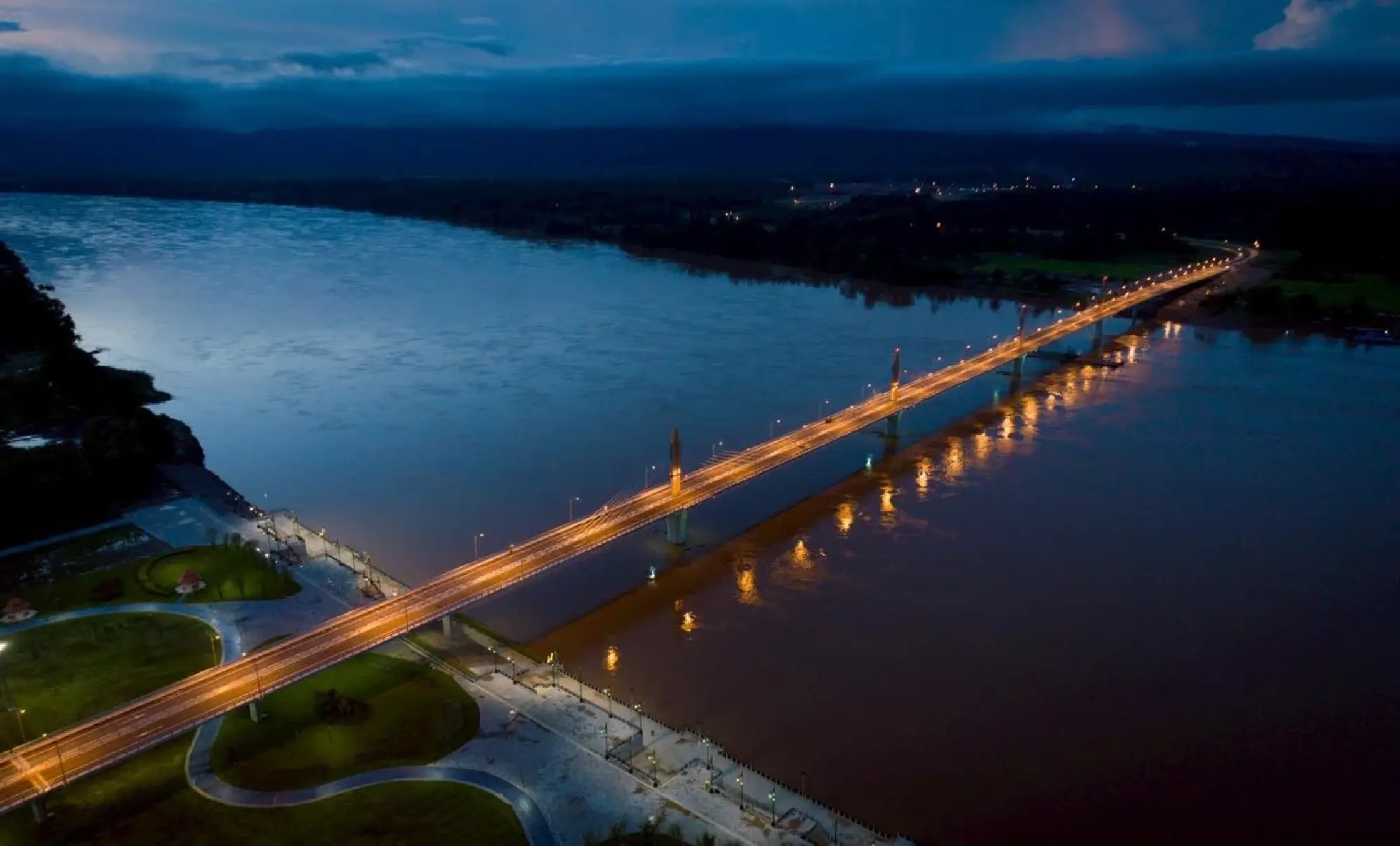
The expected benefits of the Fifth Friendship Bridge extend beyond mere connectivity. The project is anticipated to act as a catalyst for economic growth in Bueng Kan and its surroundings. By establishing the region as a pivotal border trade gateway, it strengthens not only Thailand’s logistics system but also boosts trade directly between Thailand and Laos.
Since its opening on December 27, 2025, the bridge has been accessible for public use, cementing its role in facilitating regional interactions. The permanent border crossing on the Thai side is strategically located at Ban Don Yom in the Khai Si subdistrict of Mueang Bueng Kan district, linking seamlessly to Ban Kluai Udom in Pakxan district, Bolikhamxay Province, Laos.
Operating daily from 6 a.m. to 10 p.m., the crossing did set a temporary precedent; in the initial phase, users will not encounter any crossing fees as the relevant legal formalities are still being finalized in both countries. This thoughtful approach is intended to encourage traffic and stimulate the initial utility of the bridge as both nations iron out their procedural specifics.