
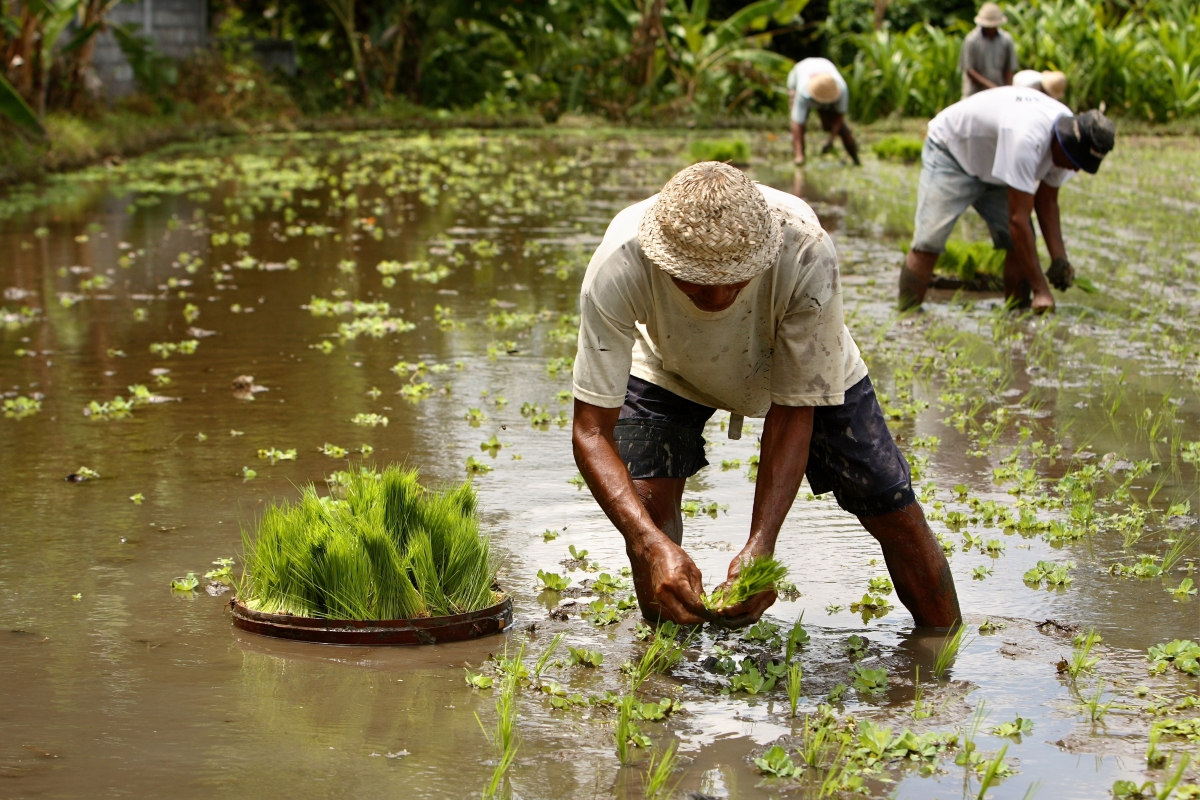
Uniland Group’s recent investment of US$120 million in rice farming in Liberia marks a significant milestone, positioning itself as the first major investor from Vietnam to enter West Africa. This venture not only highlights the growing ties between Vietnam and Liberia but also aims to transform Liberia’s agricultural landscape by incorporating advanced Vietnamese agricultural technology. By doing so, Uniland hopes to boost local rice production and reduce the country’s dependence on foreign imports.
A vital part of this initiative is a 50-hectare pilot project located in Bong County, which is set to test the adaptation and effectiveness of various Vietnamese rice varieties in Liberia’s unique climate and soil conditions. With the first crop projected for harvest by May, the company’s long-term plans extend beyond this initial phase, targeting expansion into five additional counties. Plans also include the construction of two modern rice mills with a collective capacity of 50,000 tonnes annually. The leadership of Le Van Trung, who presides over Uniland Group’s diverse interests—from real estate to logistics—has been instrumental in steering the company towards substantial agricultural investments in Africa.
Rice holds a central place in Liberia’s food culture, acting as the primary staple for its population of around 5.8 million people. With annual per capita rice consumption reaching approximately 133 kg, one of the highest rates in Africa, it forms a critical part of the average household’s diet, influencing nearly 15% of their expenditure. Despite its importance, Liberia only meets about one-third of its rice demand through local production. The country requires around 650,000 tonnes of rice each year but currently produces a mere 240,000 tonnes, leading to a significant shortfall of over 400,000 tonnes. This shortfall incurs an annual cost of around US$200 million in imports—an unsustainable burden for the nation.
The stagnation in local rice production can be attributed to several factors, including outdated farming methods, limited access to modern agricultural tools, and chronic underinvestment in the sector. In response to this growing crisis, initiatives like Uniland’s investment aim to modernize the agricultural landscape, promoting self-sufficiency and potentially transforming Liberia’s economy.
In recent years, Africa has emerged as a pivotal market for Vietnamese rice, which is the world’s second-largest rice exporter. In 2023, Vietnam’s rice exports to the continent reached a remarkable 1.3 million tonnes, valued at approximately US$788 million. Motivated by the shifts in demand and disruptions in traditional markets like the Philippines and Indonesia, Vietnamese authorities have actively encouraged exporters to tap into African markets. Ghana’s imports from Vietnam surged to 662,000 tonnes during the first eight months of 2025, marking an astonishing 95% increase from the previous year. Côte d’Ivoire also witnessed a dramatic import rise, bringing in 754,000 tonnes valued at US$349 million—a 156% increase.
This growing trend not only indicates a shift in regional rice consumption patterns but also signals an opportunity for agricultural partnerships that could reshape food security in West Africa. The concerted efforts by both local governments and foreign investors reflect a collective ambition to address food shortages and enhance agricultural productivity through collaboration and knowledge transfer.
For Liberia, Uniland’s investment is more than just a financial influx; it’s a potential catalyst for a broader agricultural revolution. By bridging the current rice production gap and promoting local farming practices, this initiative could pave the way for a more self-reliant future. Furthermore, the partnership represents a vital step toward building sustainable agricultural practices that are essential for food security and economic resilience in the face of climate change and global market uncertainties.
With agricultural investments like Uniland’s poised to take root in Liberia, the future of rice farming is looking increasingly hopeful. Projects of this nature not only provide immediate economic benefits but also lay the groundwork for long-term improvements in food production and security. As Liberia navigates its path toward self-sufficiency, the collaboration with Vietnamese agribusiness could signify a new era of agricultural prosperity for the nation, transforming it from a food deficit to a food secure state.
References
‘Addressing Liberia’s rice quagmire‘, Daily Observer, 17 October 2024
‘Vietnam aims to increase market share in Africa‘, Vietnam Law and Legal Forum, 12 November 2024
‘Vietnamese agribusiness to develop commercial rice farms in Liberia‘, Women Voices Newspaper, 4 April 2025
‘Liberia launches $350,000 FAO-backed rice project to boost food security and reduce import dependency‘, Food and Agriculture Organization, 26 May 2025
‘From import dependence to food sufficiency: Liberia’s rice revolution begins with seeds‘, CGIAR, 5 August 2025
‘Việt Nam remains world’s 2nd largest rice exporter‘, Việt Nam News, 13 September 2025
‘Africa emerges as new market for Vietnamese rice‘, Vietnam Investment Review, 16 October 2025
‘Liberia: Vietnamese firm to launch pilot rice project to boost food security‘, Daily Observer, 10 December 2025
‘Liberia partners with Vietnamese Group to raise rice production‘, Ecofin Agency, 12 December 2025
‘Ministry of Agriculture, Republic of Liberia post‘, LinkedIn, December 2025
‘World Economic Outlook Database‘, International Monetary Fund, Accessed 27 December 2025