
Deputy Minister of Finance Tran Quoc Phuong noted that Vietnam’s PPP policy framework has been continuously refined through amendments to the PPP Law and related guiding decrees.
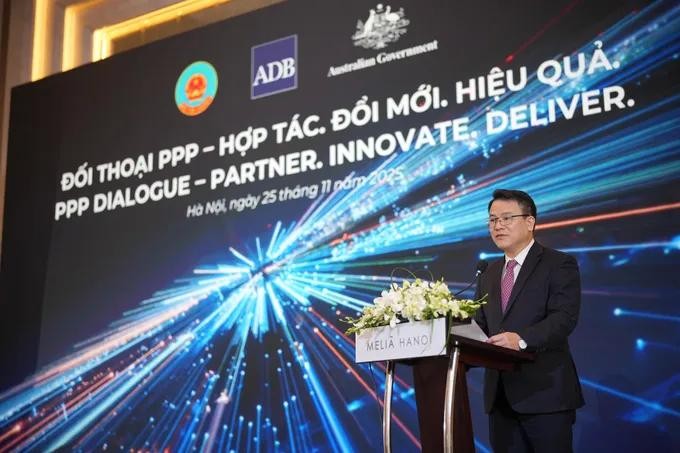
On November 25 in Hanoi, a pivotal dialogue on Public–Private Partnerships (PPP) took place, organized by the Ministry of Finance in association with the Asian Development Bank (ADB) and the Australian Embassy in Vietnam. This event aimed to facilitate reform and expand investment opportunities under the PPP model, ensuring that both public and private sectors can collaborate effectively for national development.
During the session, Deputy Minister of Finance Tran Quoc Phuong emphasized the ongoing refinement of Vietnam’s PPP policy framework. This refinement process, characterized by amendments to the PPP Law and related guiding decrees, has been transformative. These adjustments not only expand investment sectors but also provide increased financial flexibility, streamline procedures, and improve risk-sharing mechanisms. Such enhancements create a more attractive environment for private sector participation.
Deputy Minister Phuong outlined the current focus of the PPP mechanism, which revolves around three critical areas:
- Transportation: Serving as the cornerstone of the PPP program, this sector is notable for its significant capital requirements and high potential to attract investors. Key projects include highways, seaports, airports, and inter-regional infrastructure, all foundational to Vietnam’s economic growth.
- Urban transportation linked to urban development: This crucial area addresses the pressing needs of major cities. Projects in this space encompass metro lines, public transport systems, and smart infrastructure, effectively leveraging land resources and added value to enhance urban living conditions.
- Innovation, digital transformation, and social infrastructure: This forward-thinking area aims to develop innovative PPP models. These models align with the advancing trends of the digital economy and adhere to the directives set forth in Resolution 57-NQ/TW, which emphasizes the significance of national science, technology, and digital transformation.
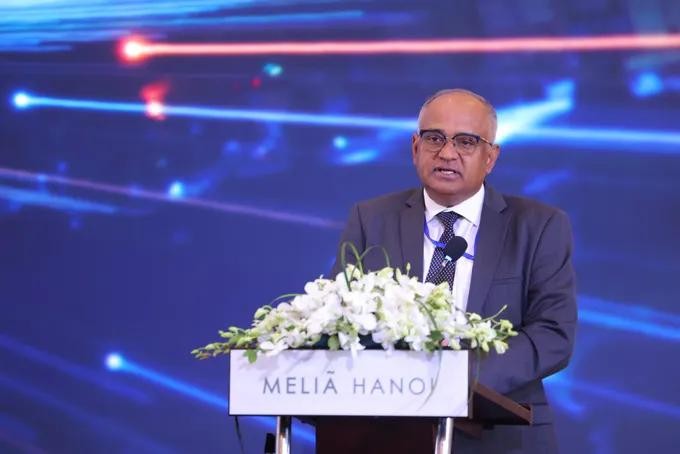
In his remarks, ADB Country Director in Vietnam Shantanu Chakraborty applauded the significant strides made by Vietnam in establishing a robust legal and institutional framework for PPP over the past 15 years. However, he also shed light on several challenges that remain. These include limited project preparation capacity, imbalanced risk allocation, insufficient long-term financial strategies, low competition in investor selection, and an urgent need to revamp partnership models to embrace emerging fields, especially in digital transformation and innovation.
Throughout the event, delegates engaged in meaningful exchanges, sharing experiences related to the implementation of PPP projects across the ASEAN region. Discussions also included an in-depth examination of the portfolio of ongoing projects in Vietnam and identifying future investment cooperation opportunities that would benefit the private sector.
By Luu Thuy – Translated by Anh Quan