
The 10th Congress of the Vietnam Seaports Association: Charting a Sustainable Future
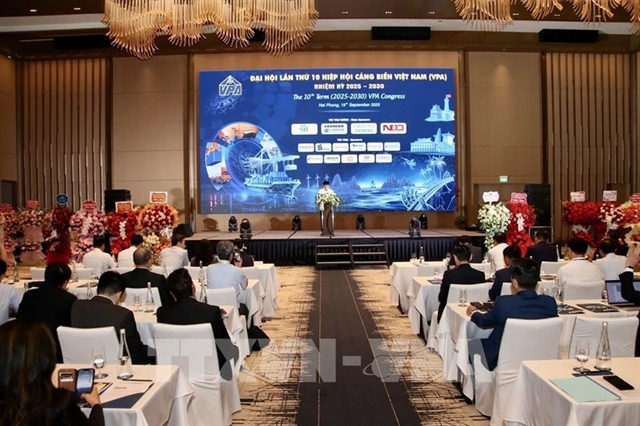
On September 18, 2023, Hải Phòng City played host to the 10th Congress of the Vietnam Seaports Association (VPA), which will set strategic priorities for the organization during the 2025–30 tenure. This congress marked a pivotal moment for the port sector, emphasizing the urgent need for modernization and sustainability in port operations, driven by advances in technology and digital transformation.
Setting the Stage for Innovation
The congress spotlighted several critical areas essential for the future growth and competitiveness of Vietnam’s seaport system. Participants discussed plans to develop logistics hubs, create smart and green ports, and enhance multimodal connectivity. The focus on establishing free trade zones and innovation centers illustrates a forward-thinking approach aimed at optimizing operations and ensuring the seaports can contribute significantly to national economic growth.
Vietnam’s Evolving Seaport Landscape
Over the past decade, Vietnam’s seaport system has undergone remarkable transformations. As of now, the nation boasts 34 port zones with a staggering total of 320 terminals, collectively designed to handle around 950 million tonnes of cargo annually. State-of-the-art deep-water ports like Cái Mép – Thị Vải and Lạch Huyện can accommodate container vessels exceeding 200,000 DWT, establishing vital links to global trade routes extending from the Pacific to European markets.
Steady growth in cargo throughput, averaging 8–9 percent annually, has marked this evolution, solidifying Vietnam’s position as an important player in international supply chains. In 2024 alone, the country’s ports processed over 865 million tonnes of cargo, further underscoring their critical role in the nation’s export-import activities.
Investment and Global Standing
The attractiveness of Vietnam’s seaport sector has spurred significant interest from both domestic and foreign investors. Noteworthy projects such as Cái Mép – Thị Vải, Liên Chiểu, and Lạch Huyện have captured attention, highlighting the sector’s growing appeal. Currently, Vietnam ranks among the world’s top ten nations in container throughput, further enhancing its reputation among global shipping lines for regional transshipment potential.
Challenges Ahead
Despite these achievements, the VPA faces numerous challenges that must be addressed. The legal framework governing the maritime sector is still inconsistent, with overlapping regulations between the 2015 Vietnam Maritime Code and the Inland Waterway Transport Law. This situation calls for urgent revisions aimed at creating a more coherent and modern regulatory environment.
Infrastructure bottlenecks and congestion at critical gateways, particularly in Ho Chi Minh City and Hải Phòng, remain pressing issues. Lê Đỗ Mười, the director of the Vietnam Maritime and Waterways Administration, emphasized that the association must advocate more assertively for legislative reforms. Gathering business feedback will be crucial in ensuring that legal changes align with real-world practices.
Fostering Multimodal Logistics
One of the congress’s key discussions revolved around the need to cultivate multimodal logistics chains. Integrating seaports with road, rail, and inland waterways could significantly enhance overall efficiency. There was a call for developing inland container depots and logistics hubs that would streamline operations and facilitate more effective supply chain management.
Moreover, establishing a unified set of standards for “green and smart ports” became a focal point, ensuring that sustainability is incorporated into future operations. Businesses were also encouraged to adopt digital management systems, invest in renewable energy solutions, and prioritize initiatives aimed at carbon reduction.
Leadership for the Future
As the congress concluded, new leadership was appointed to steer the VPA through the upcoming tenure. Hùynh Văn Cường was elected as the President, with Nguyễn Xuân Kỳ taking on the role of Secretary-General. Their leadership will be instrumental in navigating the complexities and opportunities that lie ahead for Vietnam’s seaport sector.
In summary, the 10th Congress of the Vietnam Seaports Association illustrated the collaborative spirit and forward-thinking strategies necessary to propel the country’s seaports into a more sustainable and technologically advanced future. The emphasis on innovation, infrastructure, and legal reforms demonstrates a commitment to not only improving ports but also enhancing the overall economic landscape of Vietnam.